
Getting stressed can feel like part and parcel of everyday life. There always seems to be something demanding your attention. Financial pressures, bills that never stop arriving, deadlines at work, family drama, unexpected expenses, or simply trying to keep up with everything life throws at you.
Sometimes it can feel as though the moment one problem disappears, another one appears to take its place. It’s no surprise that stress has become such a common part of modern living.
While most of us experience stress from time to time, there is a difference between dealing with a stressful situation and feeling consumed by stress every day. When stress starts to take over, it can leave you feeling exhausted, overwhelmed, frustrated, and generally unhappy. It can affect your sleep, your mood, your relationships, and even your physical health.
The reality is that we can’t always remove the things that cause stress. Most of us still need to go to work, pay bills, care for our families, and handle responsibilities. However, what we can do is find ways to manage stress more effectively so it doesn’t take over our lives.
The good news is that relaxing doesn’t always require a luxury spa weekend or an expensive getaway. Sometimes the simplest things can make the biggest difference.
With that in mind, here are some simple but effective ways to relax and unwind when life starts to feel a little too much.
Create a Relaxing Environment
One of the first things to consider is creating a relaxing environment that you can retreat to whenever you need a break from the noise of daily life.
This doesn’t need to be a dedicated relaxation room or anything elaborate. It could simply be your favourite armchair, a cosy corner of your bedroom, your garden, or even your bathroom.
In fact, the bathroom can be one of the best places to unwind, especially if you enjoy soaking in a hot bath after a long day. There is something about shutting the door, leaving the rest of the world outside for a while, and focusing on nothing but relaxing.
Once you’ve chosen your space, try setting the scene. Soft lighting can instantly change the atmosphere. You might want to add some natural scented candles, essential oils, relaxing music, or even a warm blanket during colder months.
After a while, simply stepping into that space can become a signal to your brain that it’s time to slow down and switch off.
Distract Your Mind
Sometimes when you’re feeling stressed, the last thing you need is to sit and think about the problem even more.
Distraction can be a surprisingly effective way to calm your mind and give yourself some breathing room. The key is finding something that captures your attention enough to pull your focus away from whatever is causing stress.
Many people find gaming to be a fantastic stress reliever. Whether you’re immersing yourself in a story-driven adventure or playing something quick and relaxing, it can provide a welcome break from reality for a little while. You could even enjoy online games like Suika if you’re looking for something simple and fun to occupy your mind.
Cooking can also be a great distraction. When you’re following a recipe, preparing ingredients, and focusing on creating something delicious, it becomes much harder to dwell on your worries.
Even sitting down to watch your favourite television show can help. It gives your mind a chance to step away from the issue for a while, and sometimes that’s all you need to return to it later with a clearer perspective.
Make Things Easier on Yourself
One of the most overlooked ways to reduce stress is to stop making life harder than it needs to be. Often, we’re so focused on coping with stress that we forget to examine where it’s actually coming from. Taking a step back and identifying the root cause can sometimes reveal solutions that weren’t obvious before.
For example, if your workload is causing stress, is there any way to reduce the pressure? Could you prioritise tasks differently? Delegate some responsibilities? Speak to your manager about unrealistic deadlines?
You might be surprised how often people suffer in silence when a simple conversation could lead to helpful changes.
The same can be said for financial worries, which are one of the most common sources of stress. Creating a budget, reviewing spending habits, speaking openly with family members, or contacting financial providers for advice can sometimes ease a significant amount of pressure.
Not every problem has a quick fix, but taking even small steps towards a solution can make you feel more in control.
Give Yourself a Hand Massage
If nobody is around to help you unwind, a quick hand massage can be a surprisingly effective way to relieve tension. When we’re stressed, we often carry tension throughout our bodies without even realising it. Our shoulders tighten, our jaws clench, and our hands can become surprisingly tense too.
Taking a few minutes to gently massage your palms, fingers, and wrists can help release some of that built-up tension. It’s also an opportunity to slow down and focus on how your body feels in the present moment rather than worrying about everything racing through your mind. It might sound simple, but sometimes simple is exactly what works.
Get Into Water
There is a reason so many people turn to water when they need to relax. Earlier, we mentioned the benefits of a hot bath, but water in general can have a calming effect on both the mind and body.
If baths aren’t your thing, consider going for a swim instead. Swimming offers the perfect combination of gentle exercise and relaxation. The feeling of being in the water can be incredibly soothing, while the physical activity helps release feel-good endorphins that can naturally improve your mood.
Even something as simple as standing under a warm shower after a difficult day can help wash away some of the stress you’ve been carrying around. Sometimes you don’t realise how tense you are until the water hits your shoulders and everything starts to loosen up.
Get Someone to Rub Your Feet
A foot massage can be just as effective as a hand massage when it comes to relieving stress. Our feet work hard every single day, and yet they’re often one of the most neglected parts of the body. After a long day, a foot massage can feel incredibly relaxing and may help release tension throughout the body.
Of course, giving yourself a foot massage isn’t always the easiest thing to do. So if there’s someone willing to help, don’t be afraid to accept the offer.
If that’s not possible, a simple alternative is rolling your foot over a golf ball or massage ball. The pressure can feel surprisingly satisfying and may help ease some of the tension you’ve been carrying around.
Exercise
Exercise remains one of the best natural stress relievers available. No, it won’t magically erase every problem in your life, but it can help you manage stress much more effectively.
Physical activity provides an outlet for built-up tension and nervous energy. It also gives your mind something else to focus on for a while.
The great thing about exercise is that it doesn’t have to mean spending hours in a gym. A brisk walk around the neighbourhood, a bike ride, a run through the park, or even an at-home workout can all have a positive impact. Fresh air helps too.
There is something incredibly refreshing about stepping away from your desk, putting on a pair of trainers, and heading outside for a walk. Sometimes movement alone can be enough to improve your mood and help you think more clearly.
Open Up to Someone
When stress starts building up, many people withdraw from others and try to deal with everything alone. Unfortunately, that can sometimes make things worse.
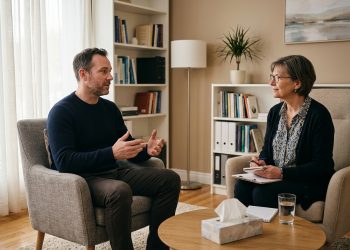
If you’re feeling overwhelmed, one of the best things you can do is talk to someone you trust. Sharing your worries doesn’t automatically solve them, but it often makes them feel more manageable.
Communication can be incredibly powerful when you’re dealing with stress. Friends and family members may offer a fresh perspective or practical advice that you hadn’t considered.
Sometimes they don’t even need to provide solutions. Simply having someone listen can make a huge difference. You might walk away from the conversation feeling lighter, calmer, and more capable of handling whatever is causing you stress.
Practice Breathing Techniques
When we’re stressed, our breathing often becomes shallow and rapid without us even noticing. That’s why breathing exercises can be so helpful.
Simple breathing techniques and meditation can help calm both the body and mind. The beauty of these methods is that they can be done almost anywhere and don’t require any special equipment. You don’t need to book a retreat or become a meditation expert overnight.
Just find a quiet place, sit comfortably, and focus on your breathing. Slowly inhale through your nose, hold the breath briefly, and then exhale slowly.
Repeating this process for just a few minutes can help slow your heart rate and create a sense of calm. It may feel unusual at first, but many people find it becomes easier and more effective with practice.
Get Some More Sleep
Finally, one of the simplest and most powerful ways to reduce stress is to get more sleep. Of course, that’s often easier said than done when stress itself is keeping you awake at night.
However, improving your sleep habits can make a significant difference. Try going to bed slightly earlier and creating a routine that signals to your body that it’s time to wind down.
That might mean putting away your phone, turning off screens earlier, limiting caffeine later in the day, and reducing alcohol consumption before bed.
You could even swap your evening coffee for a calming herbal tea and spend a little time reading before sleep. Getting more sleep often helps us cope better with everyday challenges. Problems that seem overwhelming when we’re exhausted often feel much more manageable after a good night’s rest.
Final Thoughts
Stress is something that most of us will deal with at various points in life. While it may be impossible to completely avoid stressful situations, there are plenty of ways to stop stress from taking over.
Whether it’s creating a relaxing environment, taking a swim, exercising, opening up to someone you trust, or simply getting a little extra sleep, small changes can often have a surprisingly big impact.
The important thing is discovering what works best for you and making time for it regularly rather than waiting until stress reaches breaking point.
Let’s hope these simple tips help you relax a little more, unwind a little easier, and take better care of yourself when life starts feeling overwhelming.