

There was a time when not many people owned mobile phones, but now, it is hard to imagine life without our smartphones. From staying in touch with family and friends to managing our work, finances, shopping, and entertainment, our phones have become essential tools in our daily lives.
With a seemingly endless selection of applications, games, videos, and social media platforms available at the touch of a button, it is no surprise that many of us find ourselves constantly reaching for our devices throughout the day.
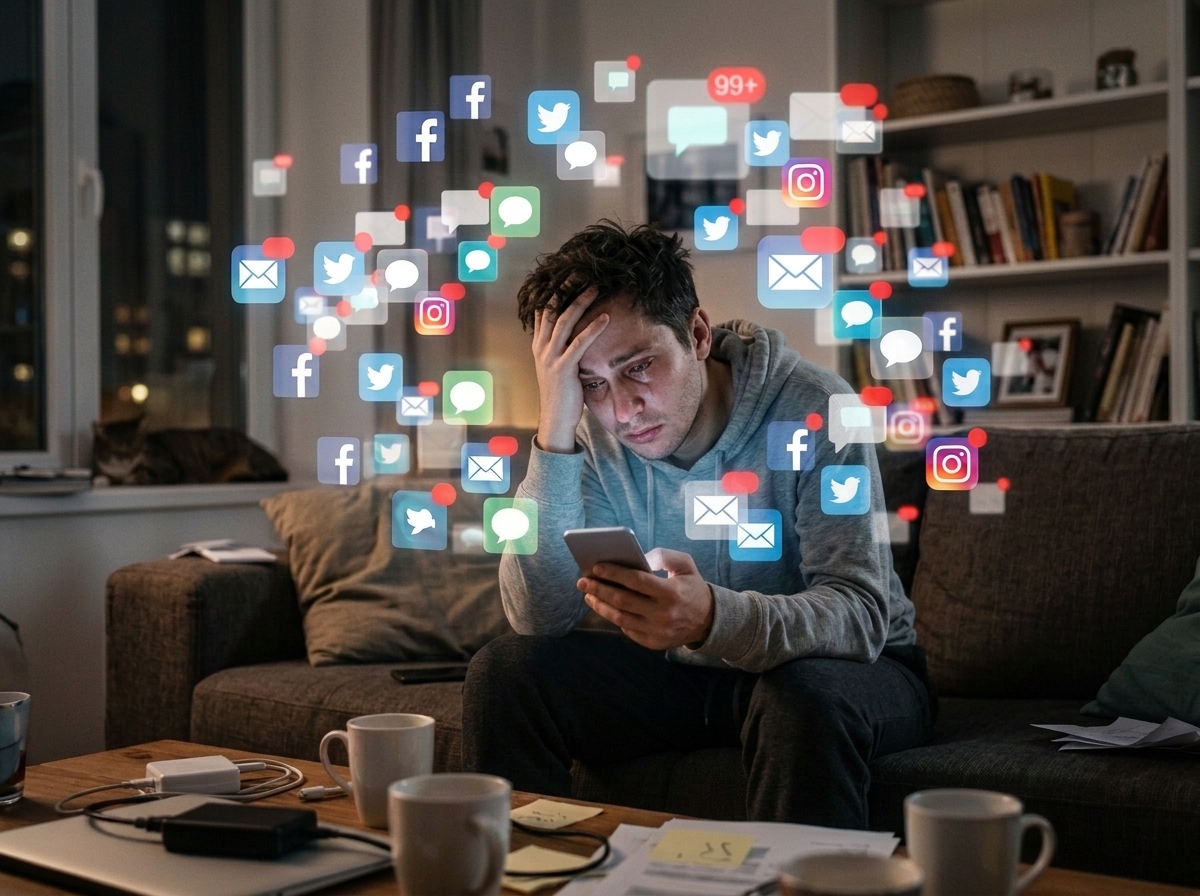
While smartphones offer many benefits and conveniences, excessive use can lead to a growing problem known as phone addiction. What begins as a quick check of notifications can easily turn into hours of scrolling, browsing, or consuming content without even realizing how much time has passed.
As our reliance on smartphones continues to grow, it is important to understand how excessive phone use can affect various areas of our lives. From our mental and physical health to our relationships and daily productivity, phone addiction can have consequences that are often overlooked.

The Impact of Phone Addiction on Mental Health
One of the most concerning effects of phone addiction is its impact on mental health. Spending excessive amounts of time on smartphones can contribute to increased levels of stress, anxiety, and even depression. Constant exposure to news updates, social media content, and digital notifications can leave us feeling overwhelmed and mentally exhausted.
Many people use their phones as a way to escape boredom, stress, or difficult emotions. While this may provide temporary relief, it often prevents us from addressing the underlying issues we are trying to avoid. Instead of engaging with the real world, we can become trapped in a cycle of endless scrolling and digital distraction. As a result, we may miss out on valuable experiences, meaningful conversations, and opportunities for personal growth.
Another challenge is the effect smartphones can have on our sleep. Many of us have developed the habit of checking our phones just before going to bed or immediately upon waking up. Unfortunately, the blue light emitted by smartphone screens can interfere with the body’s natural sleep cycle by suppressing the production of melatonin, the hormone responsible for regulating sleep. Poor sleep quality can leave us feeling tired, irritable, and unable to focus throughout the day.
The Physical Health Effects of Excessive Phone Use
In addition to affecting mental health, phone addiction can also have serious consequences for our physical health. Excessive phone use often encourages a sedentary lifestyle. Hours spent scrolling on a phone are hours not spent being physically active. Over time, reduced physical activity can increase the risk of health problems such as obesity, cardiovascular disease, and other lifestyle-related conditions.
Many people are also familiar with the physical discomfort that can result from spending too much time on their devices. Constantly looking down at a smartphone places strain on the neck and shoulders, often leading to a condition commonly referred to as “text neck.” This posture-related problem can result in chronic pain and discomfort if left unaddressed.
Extended phone use can also cause eye strain. Staring at small screens for prolonged periods may lead to headaches, dry eyes, blurred vision, and difficulty concentrating. These symptoms are particularly common among those who spend many hours each day using smartphones for work, entertainment, or social media.
How Phone Addiction Affects Relationships and Social Life
Beyond the effects on mental and physical health, phone addiction can also negatively impact our relationships and social interactions. While smartphones are designed to keep us connected, they can sometimes create barriers between us and the people physically present in our lives.
How often have you sat in a room where everyone was looking at their phones rather than talking to one another? When our attention is constantly divided between our screens and the people around us, meaningful communication becomes more difficult. Conversations become shorter, connections become weaker, and important moments can pass us by unnoticed.
Social media can further contribute to these challenges. While these platforms can help us stay connected with others, they can also encourage unhealthy comparison. Seeing carefully curated snapshots of other people’s lives may lead us to believe that everyone else is happier, more successful, or living a more exciting life than we are. This comparison can contribute to feelings of loneliness, inadequacy, and lower self-esteem.
How to Overcome Phone Addiction
Fortunately, phone addiction is not something we have to accept as a permanent part of life. With self-awareness and intentional effort, it is possible to develop healthier habits and regain control over our relationship with technology.
One of the most effective ways to reduce phone addiction is to establish healthy boundaries around smartphone use. Taking intentional breaks from your device throughout the day can help you become less dependent on constant digital stimulation. Engaging in activities such as exercise, reading, pursuing hobbies, or spending quality time with loved ones can help shift your attention away from the virtual world and back to the present moment.
Turning off non-essential notifications can also make a significant difference. Many people find themselves checking their phones not because they need to, but because they have been conditioned to respond instantly to every alert. Reducing these interruptions can help create a calmer and more focused environment.
Related Posts
Ways to Get Rid of Phone Addiction
Set Clear Boundaries
One of the best ways to reduce phone dependency is to establish clear rules around when and where you use your device. Determine specific times during the day when phone use is allowed and when it is not.
For example, you might decide not to use your phone during meals, family gatherings, or the hour before bedtime. These boundaries create opportunities to be more present and intentional throughout the day. Over time, you may find that you no longer feel the constant urge to check your device every few minutes.
Remove Unnecessary Apps
Take a close look at the applications installed on your phone. Are there apps that encourage endless scrolling or consume large amounts of your time without providing real value?
Removing these distractions can make a significant difference. By eliminating apps that trigger habitual phone use, you create a cleaner digital environment that supports your goals rather than sabotaging them.
Use Productivity Apps
Ironically, technology itself can help you reduce phone addiction. Many productivity and screen-time management apps are designed to help users monitor their habits, set limits, and stay focused on their priorities.
These tools can provide valuable insight into how much time you actually spend on your phone each day. Once you become aware of your usage patterns, it becomes easier to make intentional changes and hold yourself accountable.
Implement Digital Downtime
Schedule regular periods throughout the day when you intentionally disconnect from your phone. During these times, leave your device in another room, activate focus mode, or turn it off completely.
Use your digital downtime to engage in activities that bring you joy, relaxation, or personal growth. You may choose to exercise, spend time outdoors, read a book, or simply enjoy a quiet moment without distractions. These breaks can help reduce dependence on constant connectivity and remind you that life exists beyond your screen.
Find Alternative Activities
A common reason people reach for their phones is boredom. Replacing screen time with meaningful activities can help reduce this habit significantly.
Consider exploring hobbies and interests that do not involve technology. Reading, gardening, painting, cooking, exercising, learning a language, playing an instrument, or spending time with loved ones are all excellent alternatives. Filling your time with activities you genuinely enjoy can make it easier to resist the temptation to scroll mindlessly.
Practice Mindfulness
Many forms of phone addiction stem from a desire for constant stimulation. By practicing mindfulness, you can learn to become more comfortable being present in the moment without needing continuous digital entertainment.
Mindfulness encourages you to focus on what is happening right now rather than constantly seeking the next notification, video, or update. Whether you’re eating a meal, having a conversation, or taking a walk, practicing presence can help reduce your dependence on your phone and increase your enjoyment of everyday experiences.
Seek Support
If you find it difficult to break free from phone addiction on your own, don’t hesitate to seek support. Friends, family members, accountability partners, or mental health professionals can provide encouragement and guidance throughout the process.
Having someone to discuss your challenges with can increase motivation and help you stay committed to your goals. Sometimes, simply knowing that someone is supporting your efforts can make a significant difference.
Remember, breaking free from phone addiction is a journey, not an overnight transformation. It requires patience, consistency, and self-compassion. There will be days when you make progress and days when you slip back into old habits. The important thing is to keep moving forward.
By implementing these strategies and making small but intentional changes, you can regain control of your time, improve your productivity, strengthen your relationships, and cultivate a healthier relationship with technology. It is never too late to step away from the screen and focus on what truly matters.