

A visible designer label makes a stranger look richer, and in a 2017 field test it also made the same stranger look less trustworthy. The second result matters more to a date.
Psychologists have tested what luxury clothing and accessories signal for about 15 years, and the romantic benefits in their data are small. Flashy spending by a man reads to many women as interest in a short-term affair. At the top of the market, the most expensive goods often have no logo at all.
Brand Labels and Perceived Status
In 2011, Rob Nelissen and Marijn Meijers of Tilburg University published seven experiments in Evolution and Human Behavior in which the main change was the label on a person’s clothes.
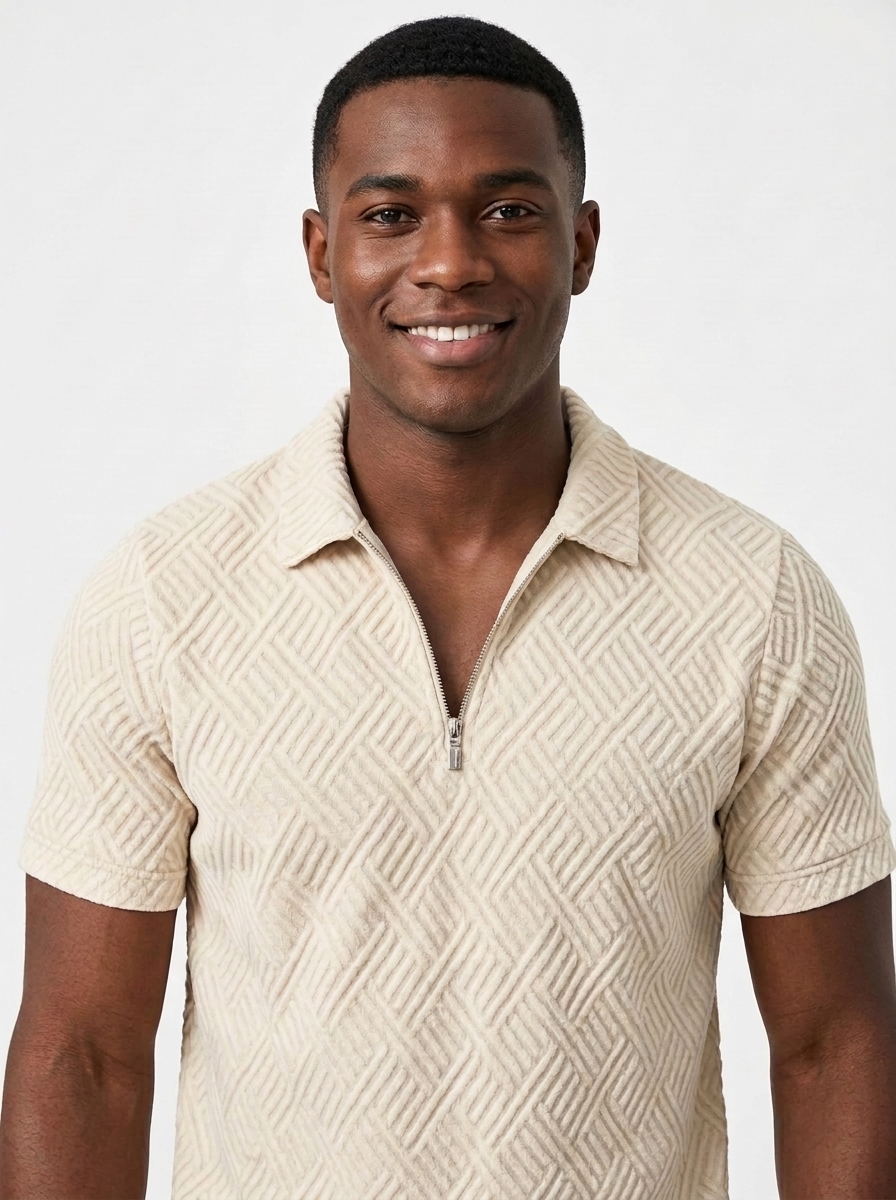
In the first, volunteers rated photographs of a man in a polo shirt that had been digitally altered to show a Lacoste or Tommy Hilfiger logo, a non-luxury Slazenger logo, or no logo. The designer versions were rated wealthier and higher in status.
In later experiments, the authors reported that the same labels brought their wearers preferential treatment, including small financial benefits, and they explained the result as costly signaling, since a label that is expensive to acquire is hard to fake.
Joël Berger of the University of Zurich tested the idea again in 2017 with five field experiments in Switzerland, published in PLOS ONE. In the first, 150 passersby in Zurich rated photographs of the same person with and without a label. A Lacoste label still raised perceived status and wealth, but it lowered ratings of trustworthiness and prosocial character.
In the other four, a confederate asked strangers to take a short survey or collected money for a children’s cancer charity, and the label produced no increase in participation or donations in any of them. In two low-income neighborhoods, it tended to work against the person wearing it. Berger concluded that the effect of a label depends on who is looking at it.
Display Spending and Short-Term Interest
Jill Sundie and colleagues, including Vladas Griskevicius, ran four experiments with nearly 1,000 participants and published the results in 2011.
Women rated a man who had bought a flashy luxury car as more desirable for a date than a man who had bought an economy car. The advantage was limited to dating. The two men were rated about the same as potential husbands, and the women read the flashy purchase as a sign of interest in uncommitted sex.
On the spending side, the urge to buy conspicuous goods rose only among men who were thinking about a short-term relationship and who were already inclined toward relationships with low investment. Sundie told PsyPost that romantic anticipation did not produce the same spending in women.
The products in the study were cars. The authors treated conspicuous consumption in general as a sexual signal, with cars as one example. Visible luxury is little help to someone spotting a high value man with a long relationship in mind. In these experiments, the men most motivated to spend on display were the ones least interested in commitment.
Luxury Goods and Rival Women
Yajin Wang and Vladas Griskevicius proposed in 2014 that women use luxury goods mainly to send a message to other women. In their first experiment, 69 women read about a woman at a party with her date, and those told her outfit was designer rated her partner as more devoted.
In another, 115 women imagined a scenario, and those who pictured another woman flirting with their partner reported stronger intentions to buy luxury cars, shoes, and jewelry. A third experiment gave 75 University of Minnesota students five $1 bills to spend on raffle tickets for a $200 luxury shopping trip, and the students primed with the flirting scenario spent an average of $3.88, against less than $2 in the other groups.
In this account, a designer handbag sends a defensive message to rival women about the strength of a relationship. A final study found that women were less willing to pursue a man whose partner owned luxury items, because they judged him more devoted to her.
In 2020, Tunca and Yanar published two preregistered replications of the women’s luxury products study in the Journal of Marketing Behavior. The central finding did not hold. With real brands, they found no effect of luxury goods on perceived partner devotion. When they copied the original design exactly, they found a small effect in the opposite direction, with partners judged more devoted when the woman used ordinary products. Women in the replication still assumed that a male partner had helped pay for a woman’s luxury items.
Quiet Labels at the Top of the Market
Jonah Berger and Morgan Ward reported in the Journal of Consumer Research in 2010 that logo display follows price only up to a point. Of the sunglasses they examined that cost under $50, 21% showed a brand name or logo.
The share rose to 84% between $100 and $300 and fell to 30% above $500. Their study of inconspicuous consumption traced the pattern to buyers with deep knowledge of a field, who prefer subtle signals that other insiders recognize and most people miss. Ordinary buyers often copy the symbols insiders use, and insiders then move to signals that are harder to copy.
A quiet signal works only when the observer knows as much as the wearer. A $10,000 handbag with no visible branding looks, to most people, like a $50 look-alike.
Fewer Luxury Buyers in 2025
Bain and Company and Altagamma estimated in November 2025 that the personal luxury goods market was worth about €358 billion and that its customer base had fallen to about 340 million people, from 400 million in 2022, with another 20 million to 30 million at risk.
Big spenders accounted for nearly half of the market, and their spending had stopped growing. Bain said years of price hikes had put high-end fashion out of reach for aspirational buyers, and partner Federica Levato said the industry had walked away from Gen Z. She described demand for more affordable clothing as a void that other brands, many of them American, were filling. Bain expects sales to grow 3% to 5% in 2026.
For younger daters, a designer label is probably a less common sight than it was in 2022, and the people still buying are a narrower group with more money.
The Stranger and the Second Hour
Across these studies, the dependable effect of a label is on how rich a stranger thinks the wearer is. Berger’s 2017 paper added a caution that goes further. He suggested that a single luxury item may be too weak a signal to change how people behave toward its owner. By that evidence, a designer belt changes a stranger’s first estimate of the wearer’s income and little else.