

All year round, most of us try our best to take care of ourselves. We watch what we eat, we try to stay active, and we make an effort to build habits that support our health and wellbeing. But then the holidays come along, and everything changes. Suddenly, routines loosen, tables are filled with delicious food, and we allow ourselves to indulge a little more than usual. And honestly, that’s part of the joy of the season.
Holiday meals are comforting, social, and often tied to tradition. They’re meant to be enjoyed. So it’s completely normal to eat more than usual, snack a little more often, and prioritise enjoyment over discipline during that time.
The problem usually comes afterwards.
Once the holidays are over and normal life resumes, many people find themselves feeling sluggish, heavier, and maybe even a little disappointed in themselves. Clothes might feel tighter, energy levels may drop, and there’s often that lingering thought: “I’ve really messed up this time.”
It can feel overwhelming, like you’ve undone months of effort in just a few weeks. But here’s the truth, you haven’t.
The first thing you need to understand is that it is absolutely okay to let yourself go a little during the holidays. Enjoying food, relaxing your routine, and spending quality time with loved ones is not a failure. It’s part of a balanced life. You worked hard all year, and you deserved that break.
The second thing to remember is that getting back on track is completely possible. Your body hasn’t forgotten your healthy habits, and you’re not starting from zero. With the right mindset and a bit of consistency, you can absolutely get back in shape and feel even better than before.
So instead of beating yourself up, focus on moving forward. Here’s how you can ease back into your routine and regain your momentum in a healthy, sustainable way.
How to get back in shape after the holidays
Eat healthy again
One of the biggest mistakes people make after the holidays is trying to “undo” all the indulgence by going to extremes. Skipping meals, cutting out entire food groups, or drastically reducing calories might seem like a quick fix, but it often does more harm than good.
Your body doesn’t respond well to sudden deprivation. In fact, it can slow down your metabolism, increase cravings, and make it even harder to stay consistent.
Instead, focus on getting back to balanced, nourishing meals. You don’t need to eliminate carbohydrates or avoid your favourite foods entirely. The key is moderation.
Start by incorporating more whole foods into your meals. Vegetables, fruits, lean proteins, whole grains, and healthy fats. These foods will help you feel full, energised, and satisfied. Try to build meals that are colourful and varied, rather than restrictive.
It can also help to return to a regular eating schedule. Eating at consistent times during the day helps regulate your hunger cues and prevents overeating later on.
Remember, this isn’t about punishment. It’s about giving your body what it needs to function at its best.
Get enough exercise
If you took a break from working out during the holidays, you’re not alone. It’s very common to fall out of your exercise routine when schedules get busy or priorities shift.
The important thing is to ease your way back in.
You don’t need to jump straight into intense workouts or long gym sessions. In fact, doing too much too soon can lead to burnout or even injury. Start with something manageable. Short walks, light workouts, or simple home exercises and gradually build up from there.
Consistency matters far more than intensity at this stage. Even 20–30 minutes of movement a day can make a big difference over time.
Find activities you actually enjoy, whether that’s dancing, cycling, yoga, or strength training. When you enjoy what you’re doing, it’s much easier to stay committed.
It also helps to set realistic goals. Instead of aiming for perfection, focus on progress. Each workout is a step in the right direction, and those small steps add up.
Stay hydrated
Drinking more water might sound simple, but it plays a huge role in helping your body recover and reset after a period of indulgence.
Proper hydration supports digestion, helps regulate appetite, and can even improve your energy levels. Sometimes, what feels like hunger is actually dehydration.
Make it a habit to drink water throughout the day. You can start your morning with a glass of water, carry a bottle with you, and sip regularly rather than waiting until you feel thirsty.
Staying hydrated can also help reduce bloating and support your body’s natural processes. While the idea of “flushing out toxins” is often overstated, your body does function more efficiently when it’s properly hydrated.
If plain water feels boring, you can add slices of lemon, cucumber, or berries for a bit of flavour.
Be patient with your progress
One of the most important things to keep in mind is that getting back in shape takes time. Just as it took time to build your habits before the holidays, it will take time to rebuild them again.
Avoid the urge to rush the process or expect instant results. Quick fixes are rarely sustainable, and they often lead to frustration.
Instead, focus on building habits that you can maintain in the long run. Celebrate small wins. Choosing a healthy meal, completing a workout, drinking enough water and recognise that these actions are moving you in the right direction.
Your body will respond to consistency, not extremes
Consider supportive tools (with realistic expectations)
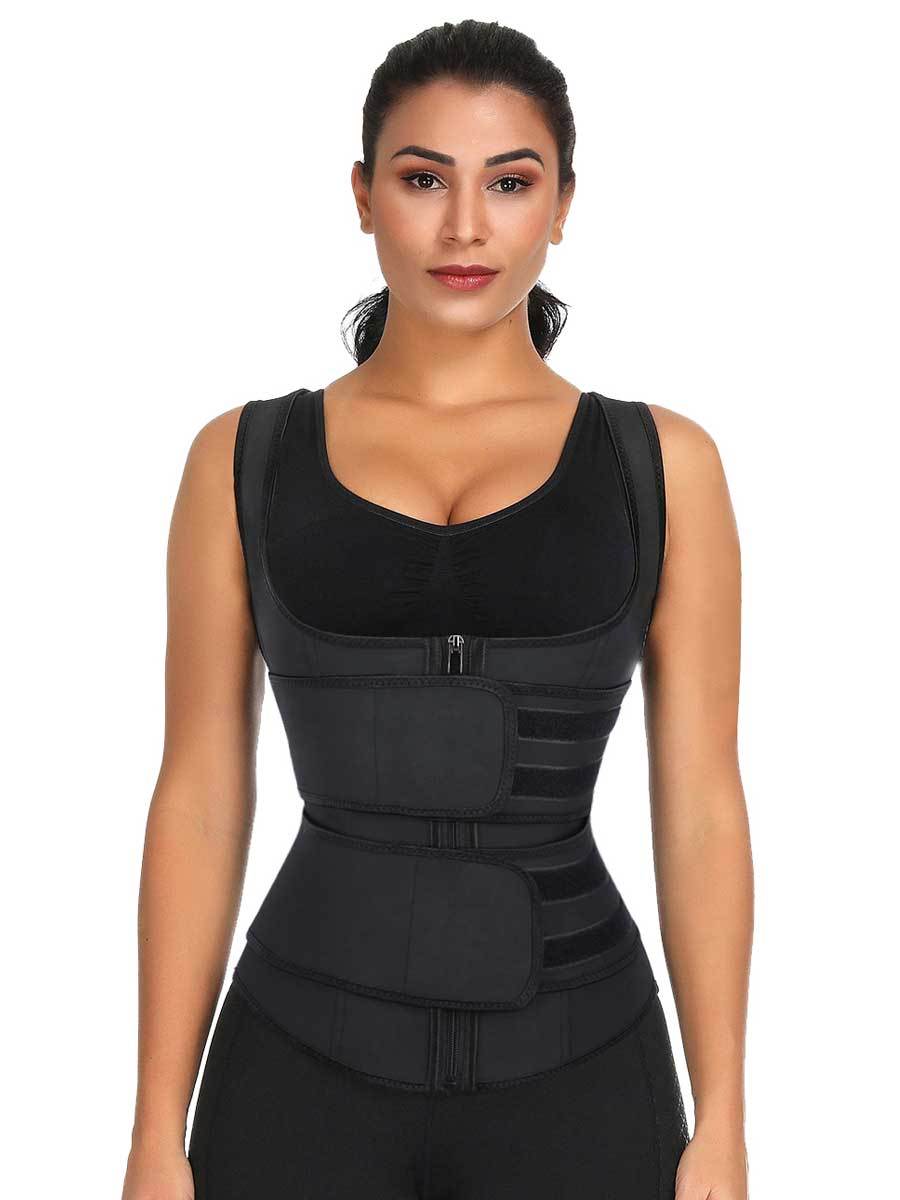
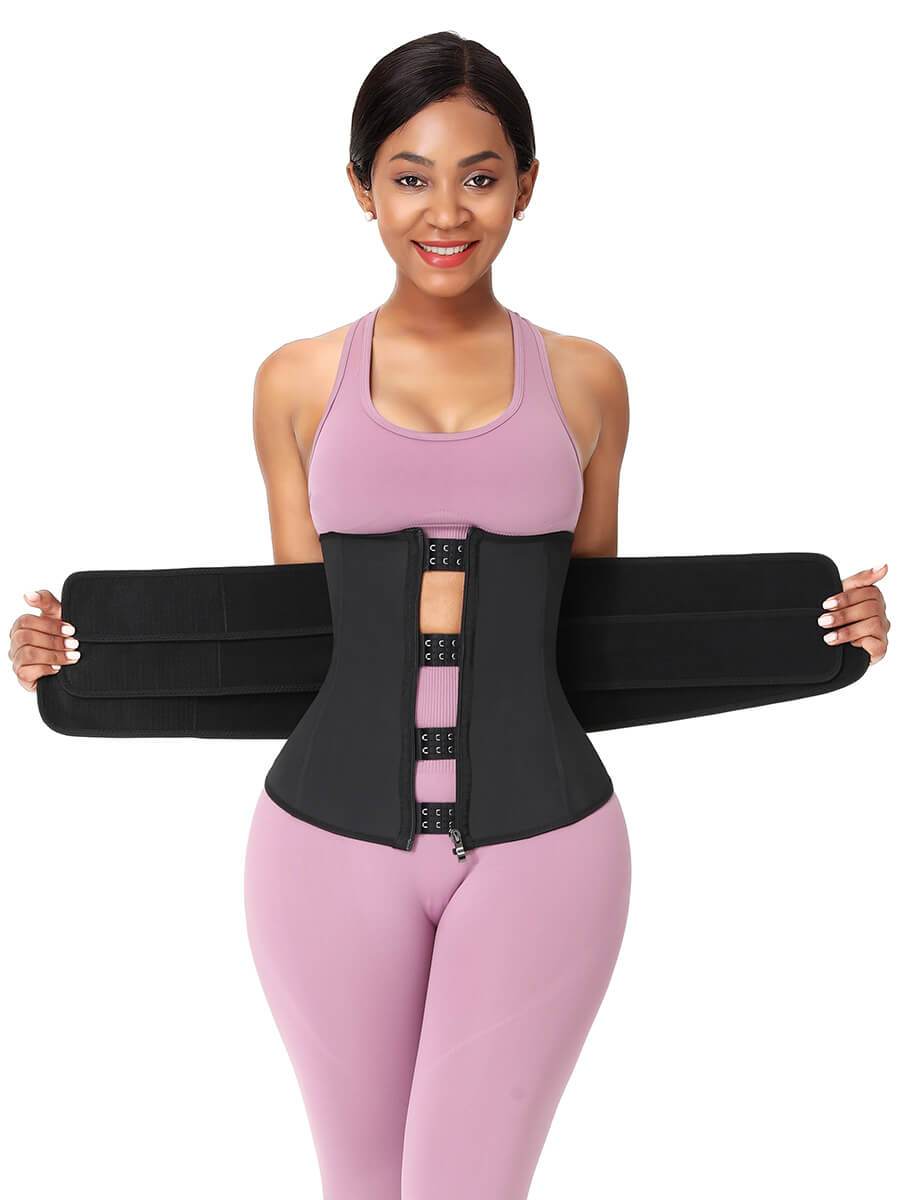
Some people choose to use tools like waist trainers as part of their routine. While these can create a temporary slimming effect and may help with posture or awareness of your core, it’s important to have realistic expectations.
A waist trainer alone won’t burn fat or replace healthy habits. Sustainable results come from proper nutrition, regular exercise, and overall lifestyle changes.
If you do decide to use one, think of it as a complement, not a solution. And always prioritise comfort and safety.
Get back into a routine
After the holidays, one of the best things you can do is re-establish a daily routine. Structure helps you stay consistent and reduces the likelihood of slipping back into old habits.
Try to set regular times for meals, workouts, and sleep. Getting enough rest is especially important, as poor sleep can affect your metabolism, energy levels, and even your appetite.
Having a routine doesn’t mean being rigid, it just gives you a framework to build on.
Shift your mindset
Finally, the way you think about this process matters.
Instead of viewing the holidays as a setback, try to see them as a break, a temporary pause in your routine. You didn’t fail. You simply enjoyed a different pace for a while.
Now, you’re choosing to return to habits that make you feel strong, energised, and confident.
Let go of guilt and focus on action. What you do now is far more important than what you did over the holidays.
In the end, getting back in shape isn’t about punishing yourself or chasing perfection. It’s about reconnecting with the habits that support your wellbeing and committing to them, one day at a time.
You’ve done it before, and you can absolutely do it again.















What a cool thing, because even thin people often have a small tummy. I have here is, although I like enough svelte.
https://www.babydollchemise.com/