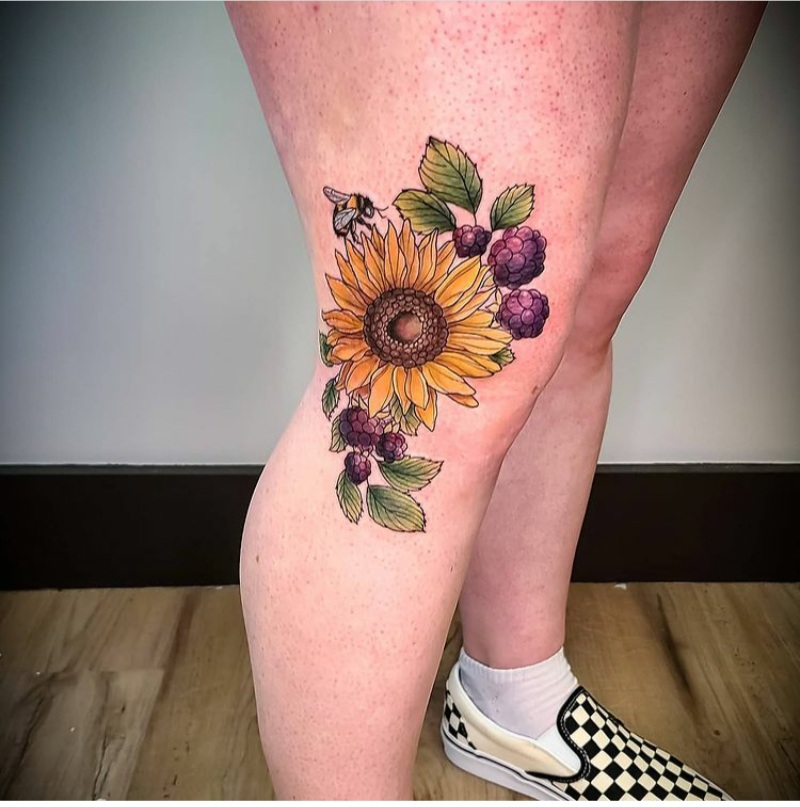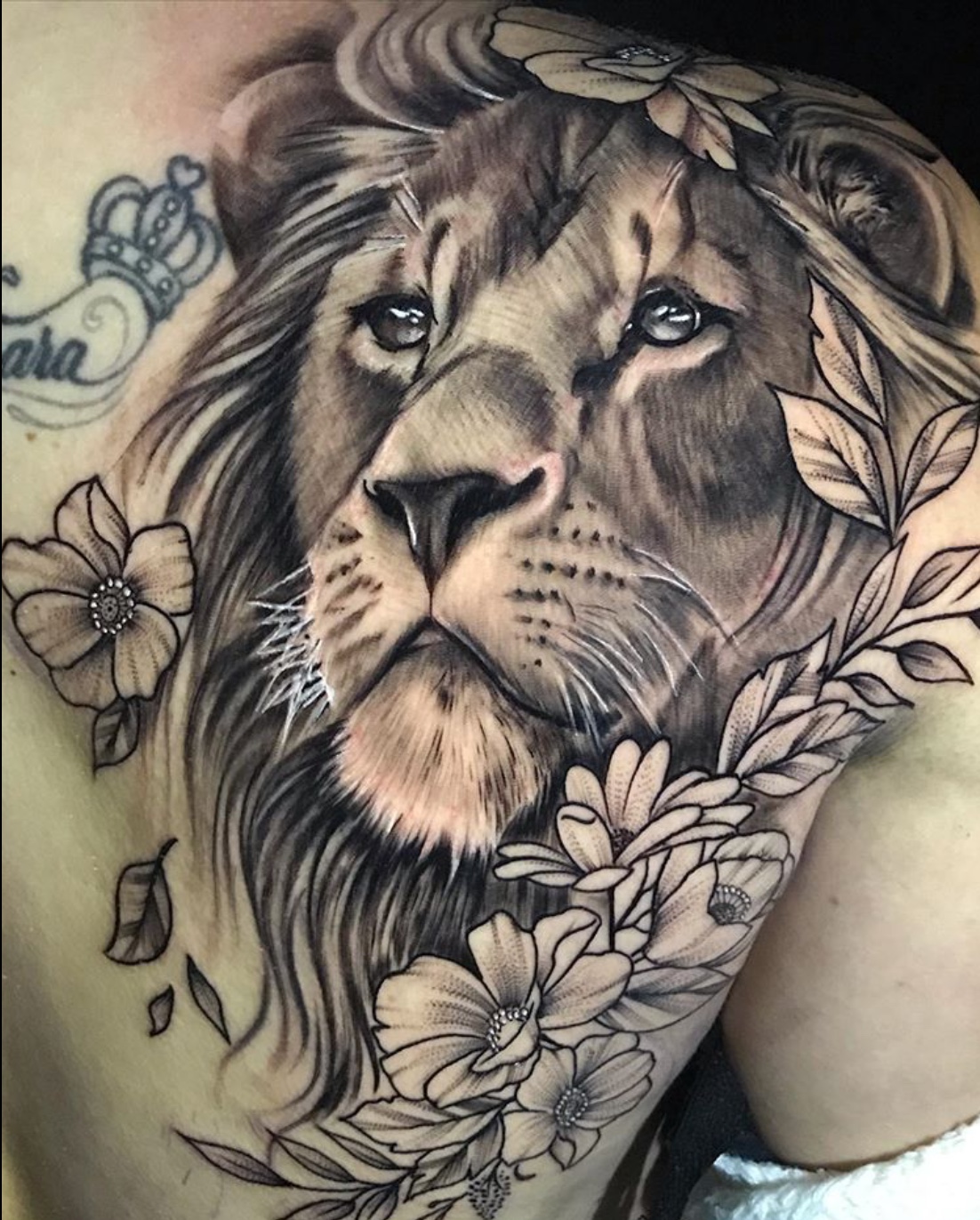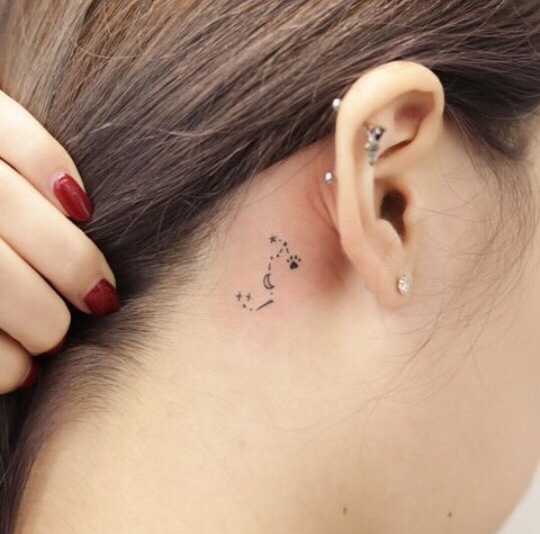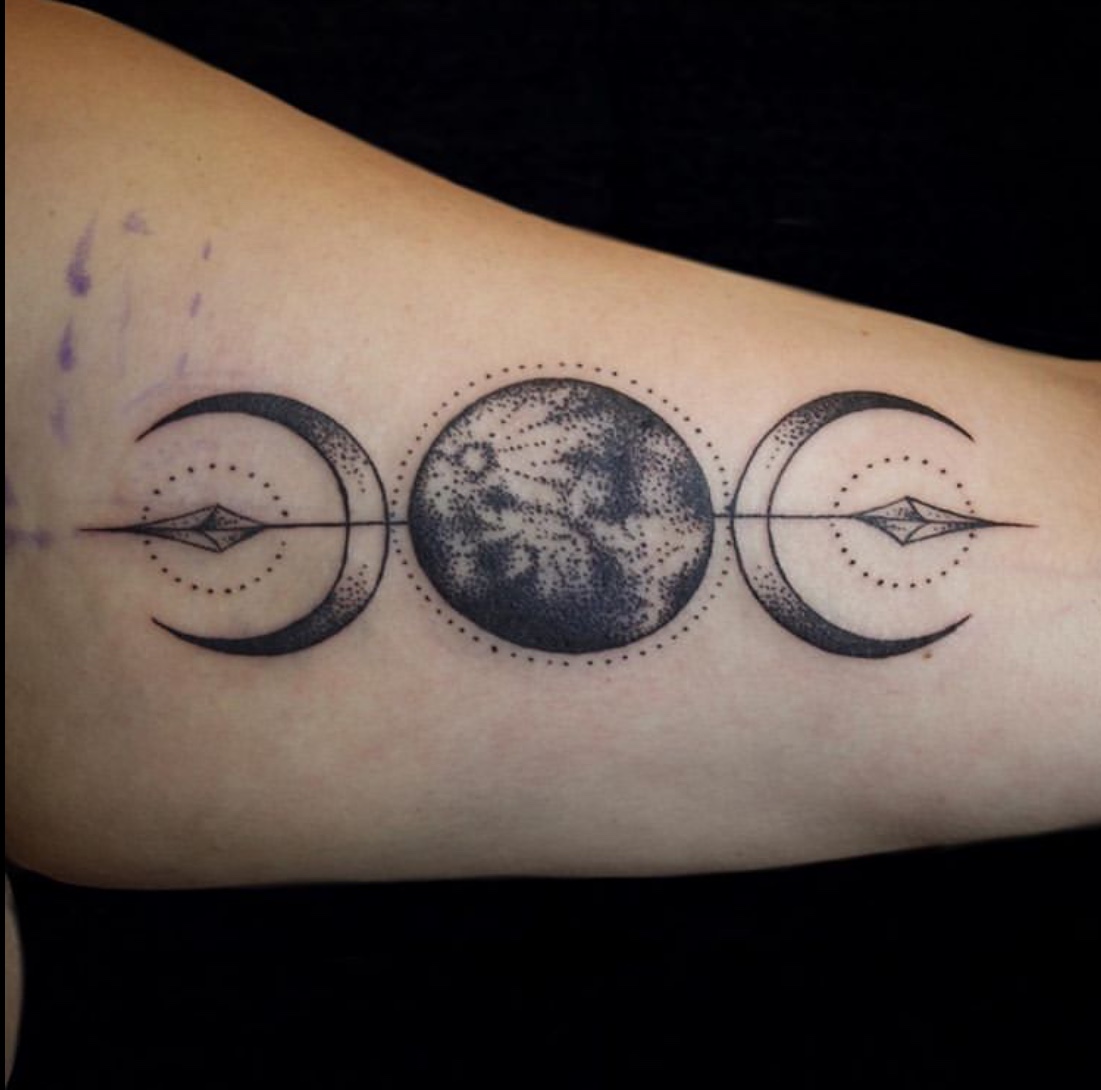

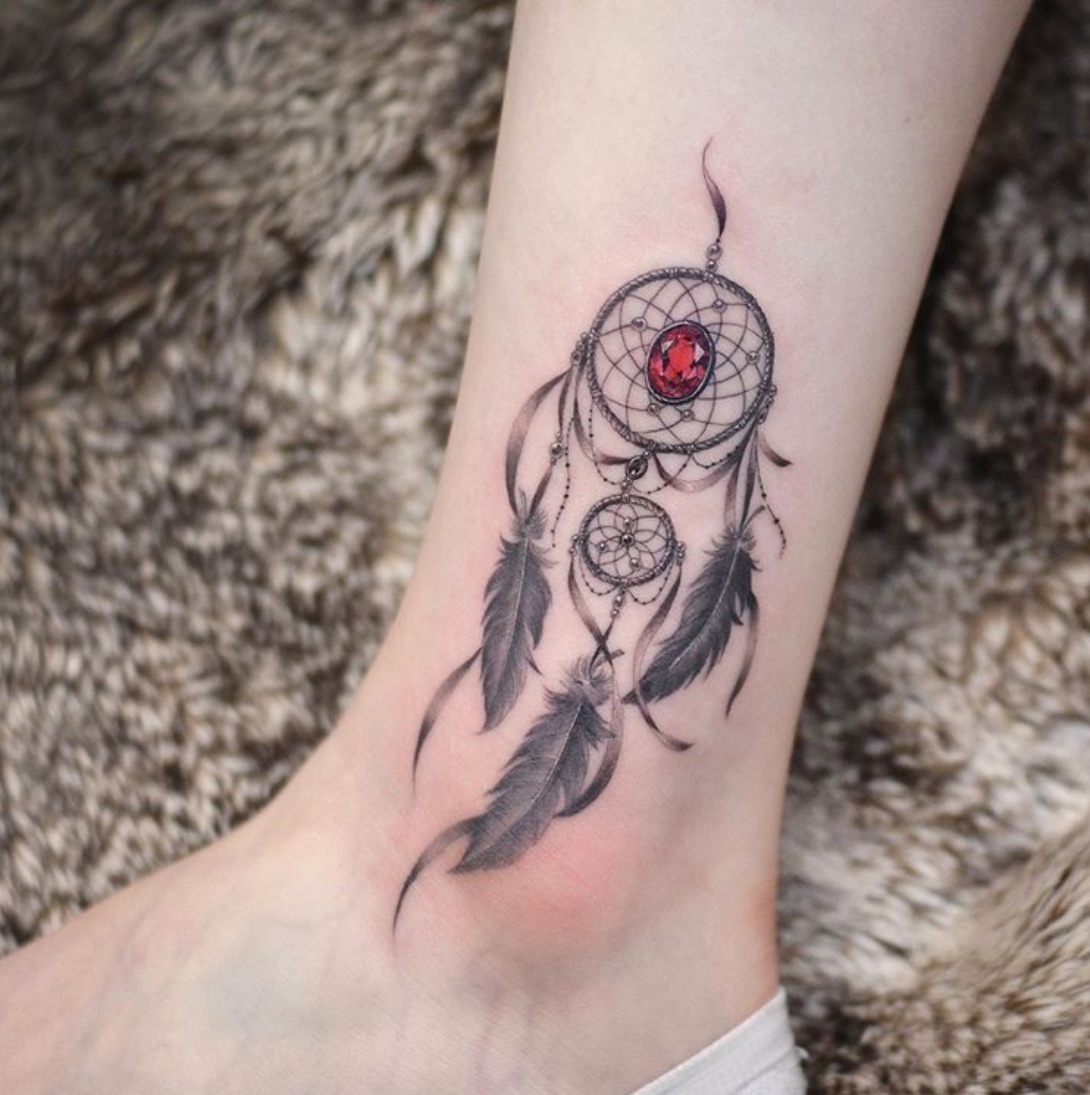
Dreamcatchers have long been admired for their beauty, symbolism, and deep cultural roots. Traditionally, dreamcatchers were created to protect sleepers from negative dreams by trapping them in the web and allowing only positive dreams to filter through. This belief has been passed down for generations, carrying a sense of comfort, spirituality, and hope.
Today, dreamcatcher tattoos continue this tradition in a modern way. Many people choose this design not only for its aesthetic appeal but also for the powerful meaning behind it. A dreamcatcher tattoo represents protection, positivity, and the desire to let only good things flow into one’s life.
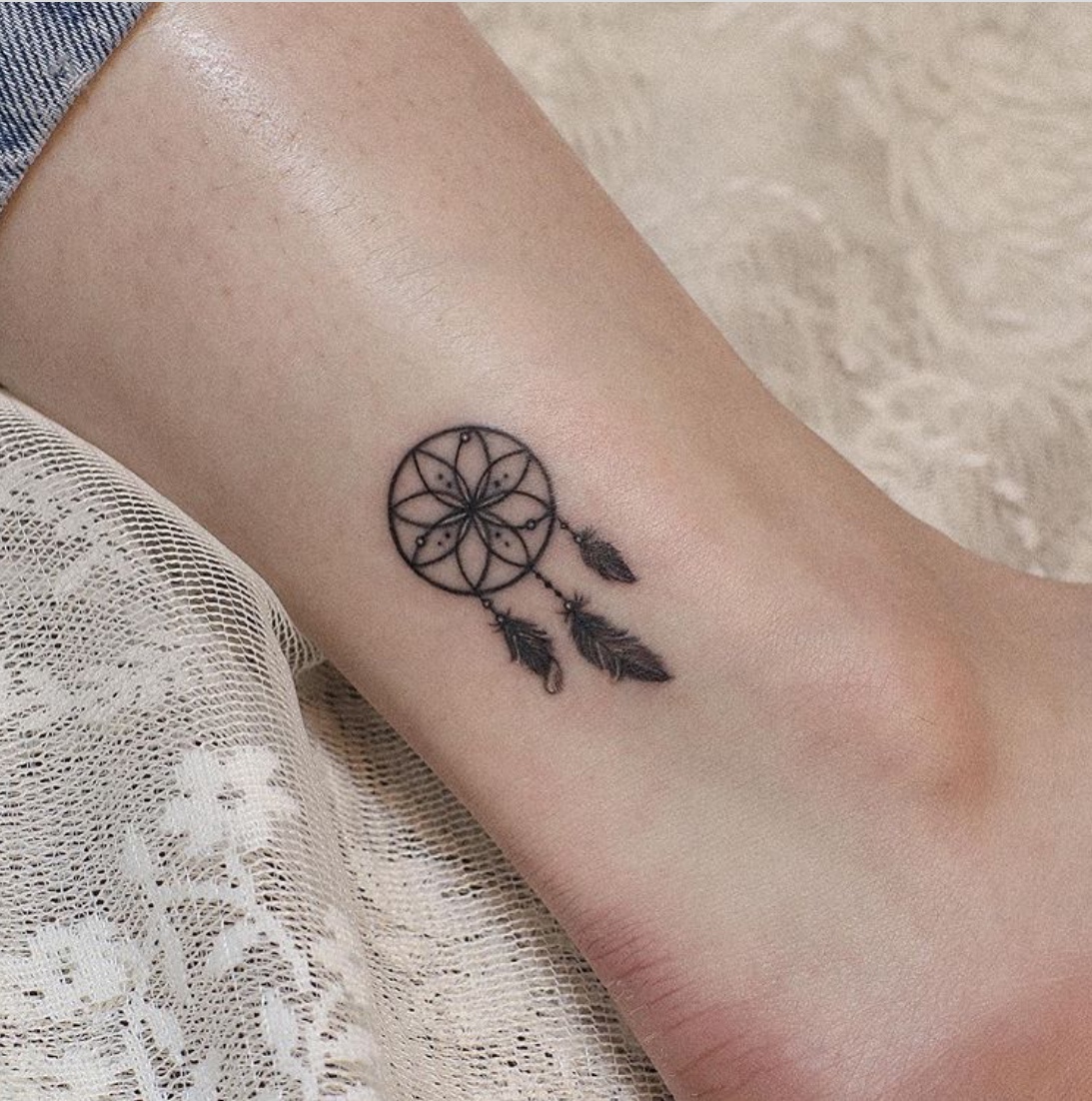
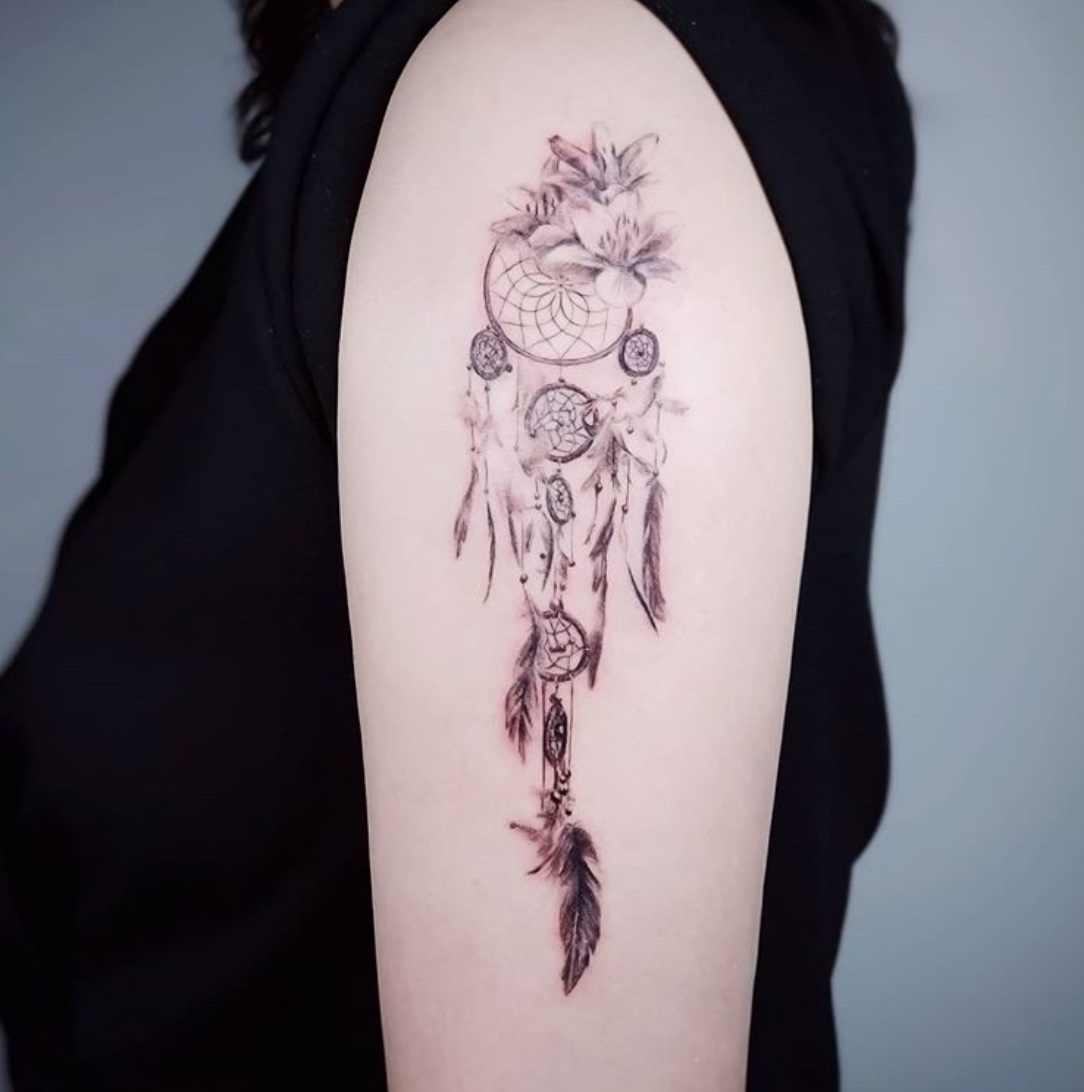
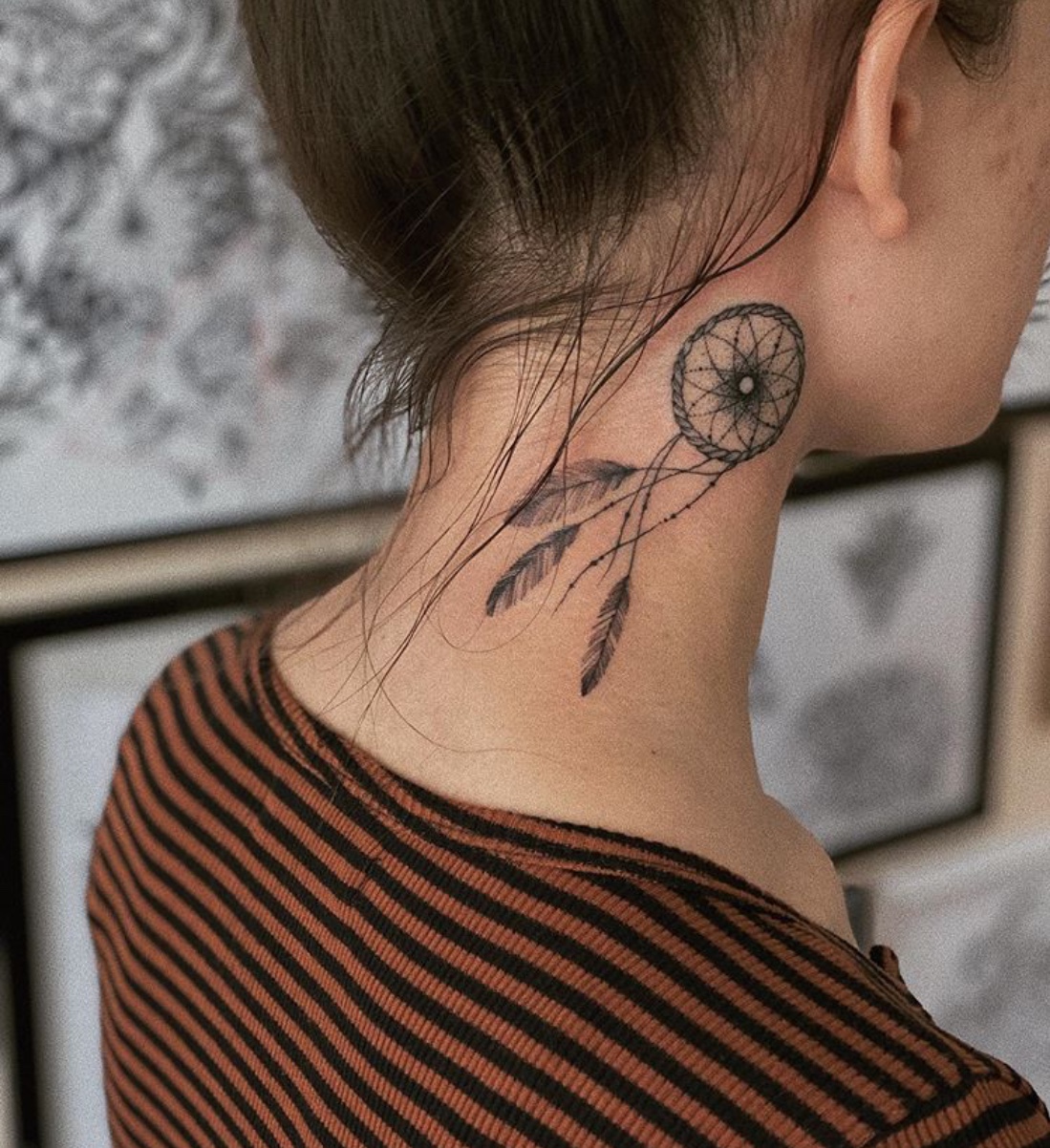
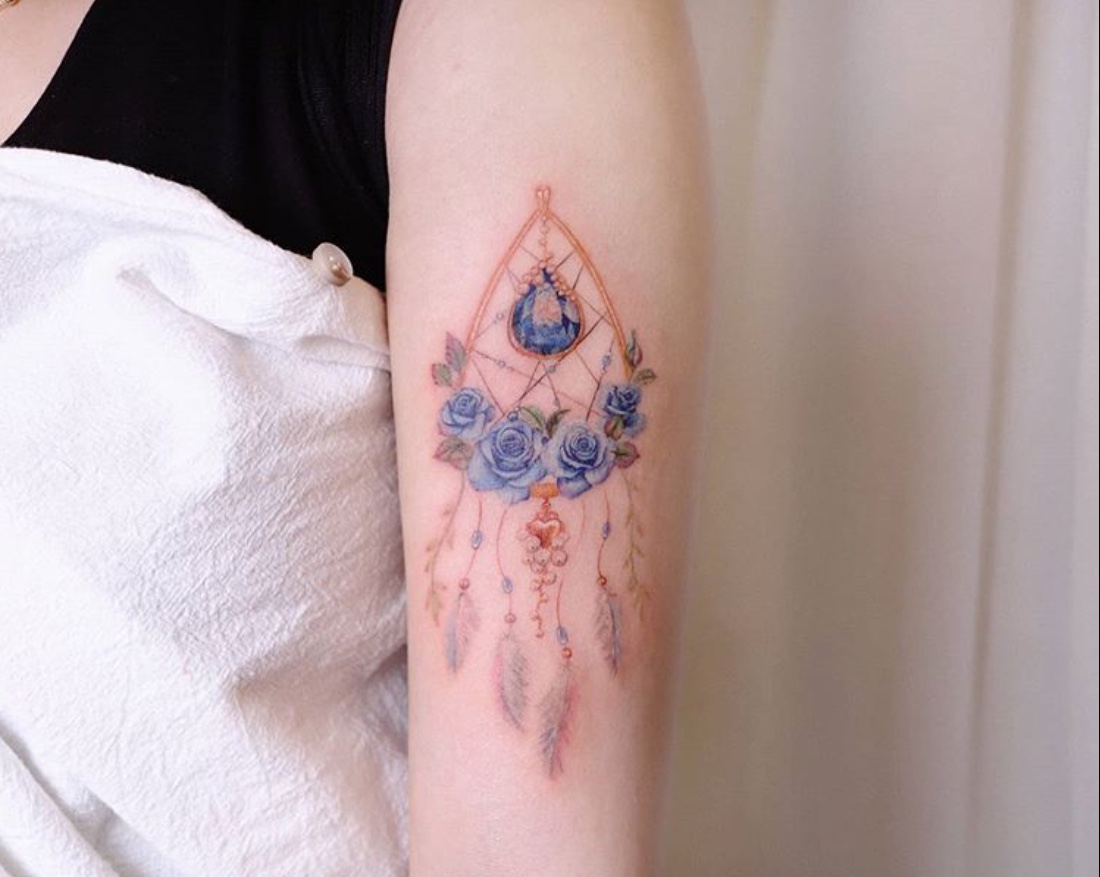
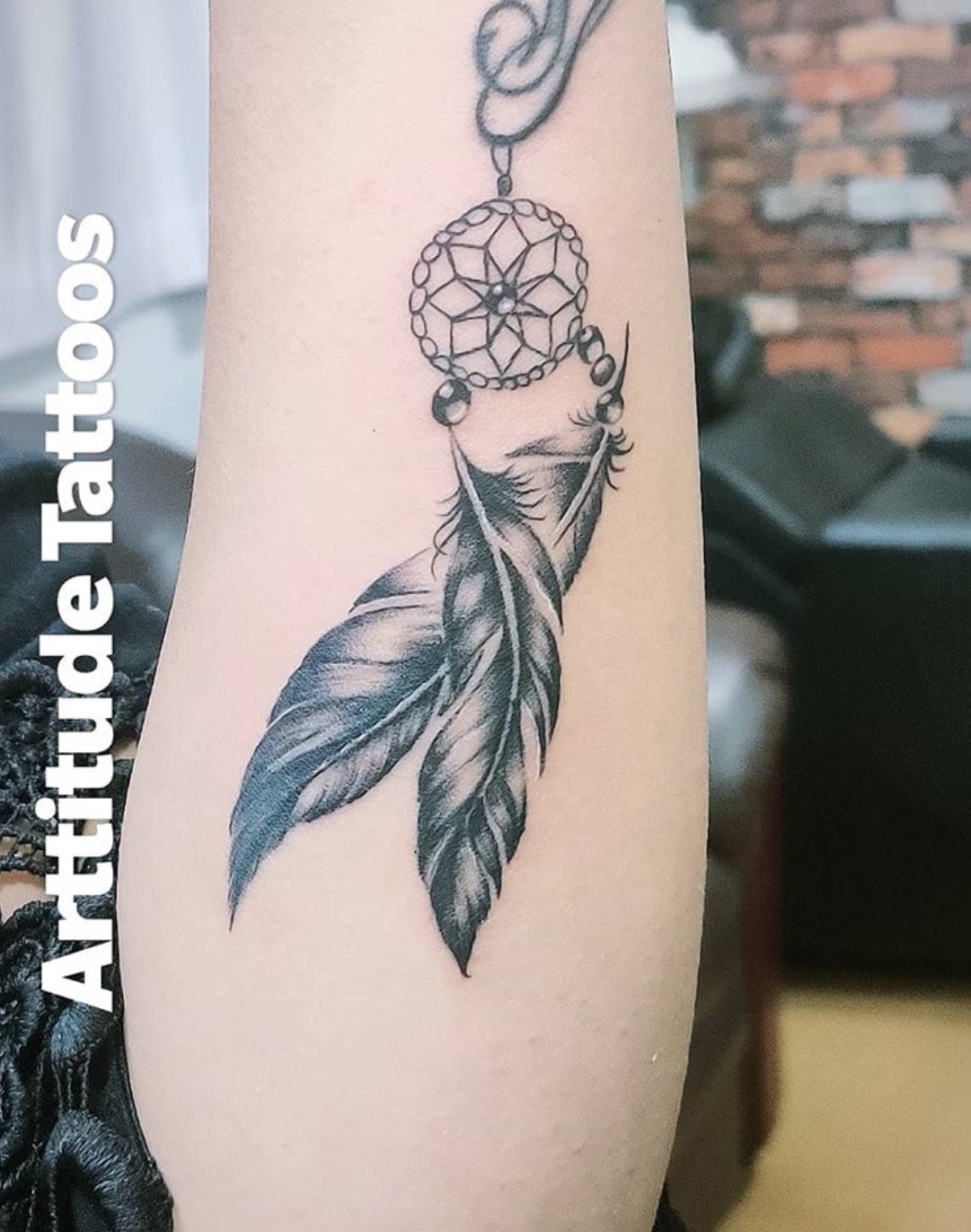
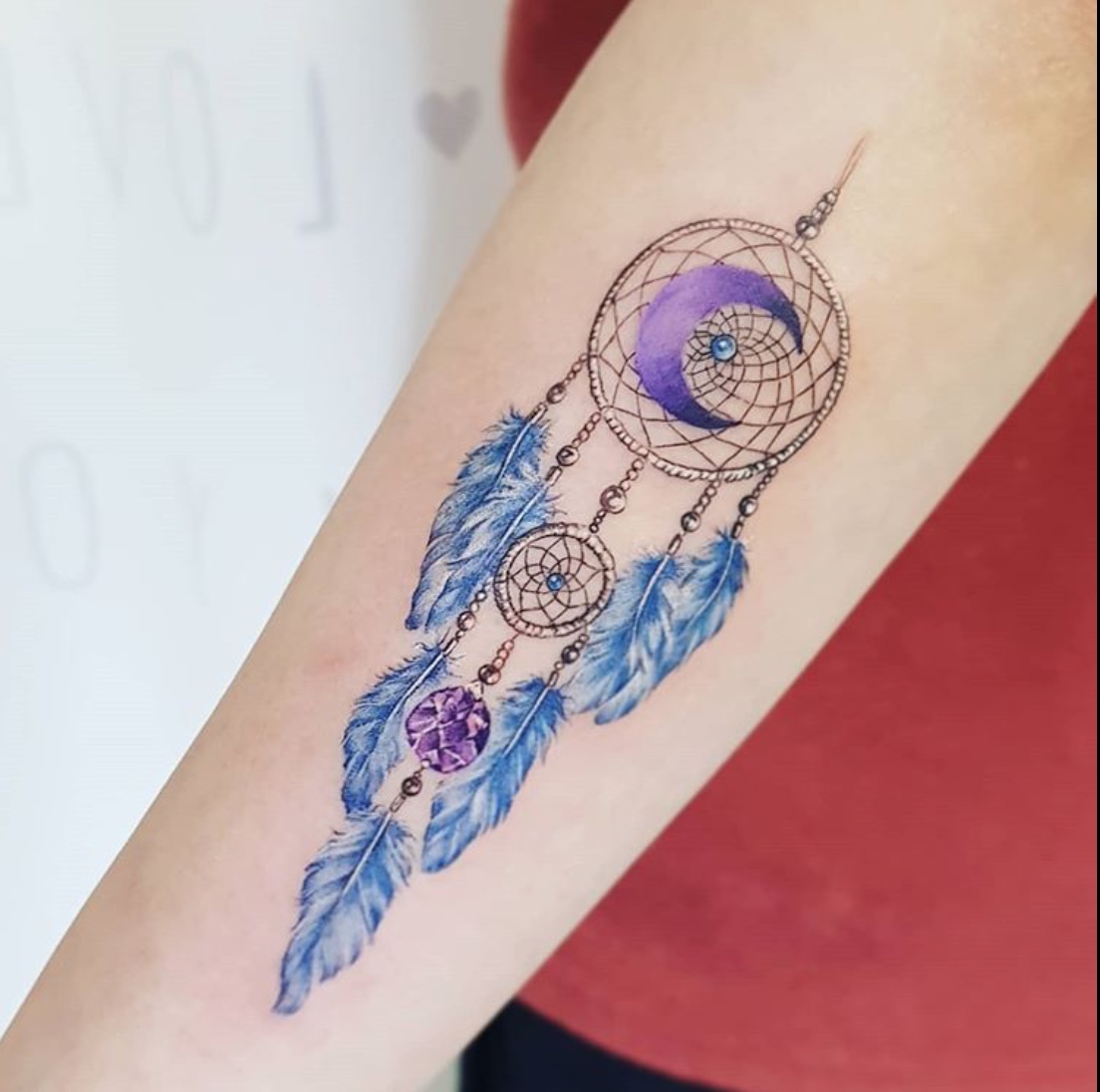
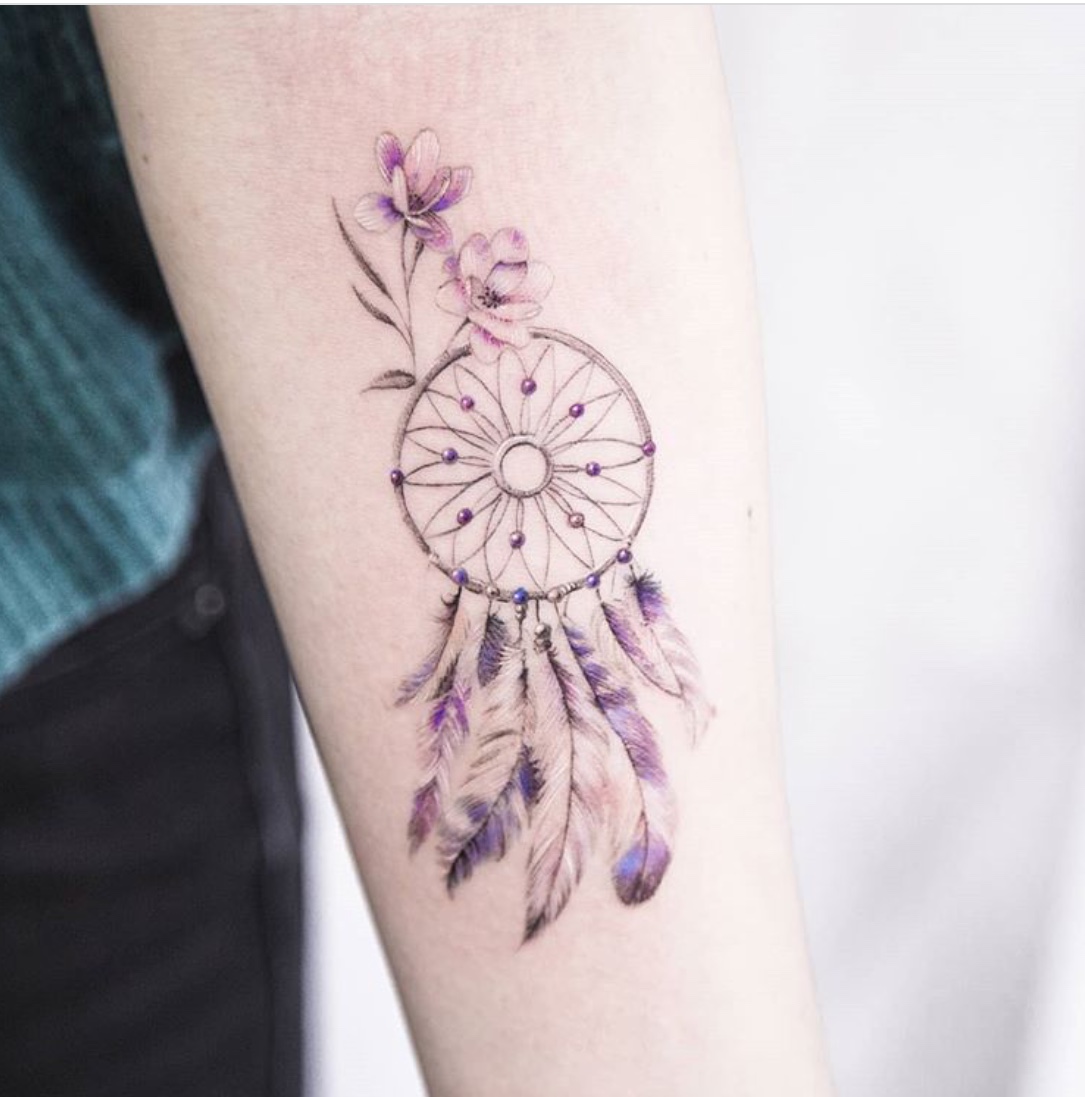
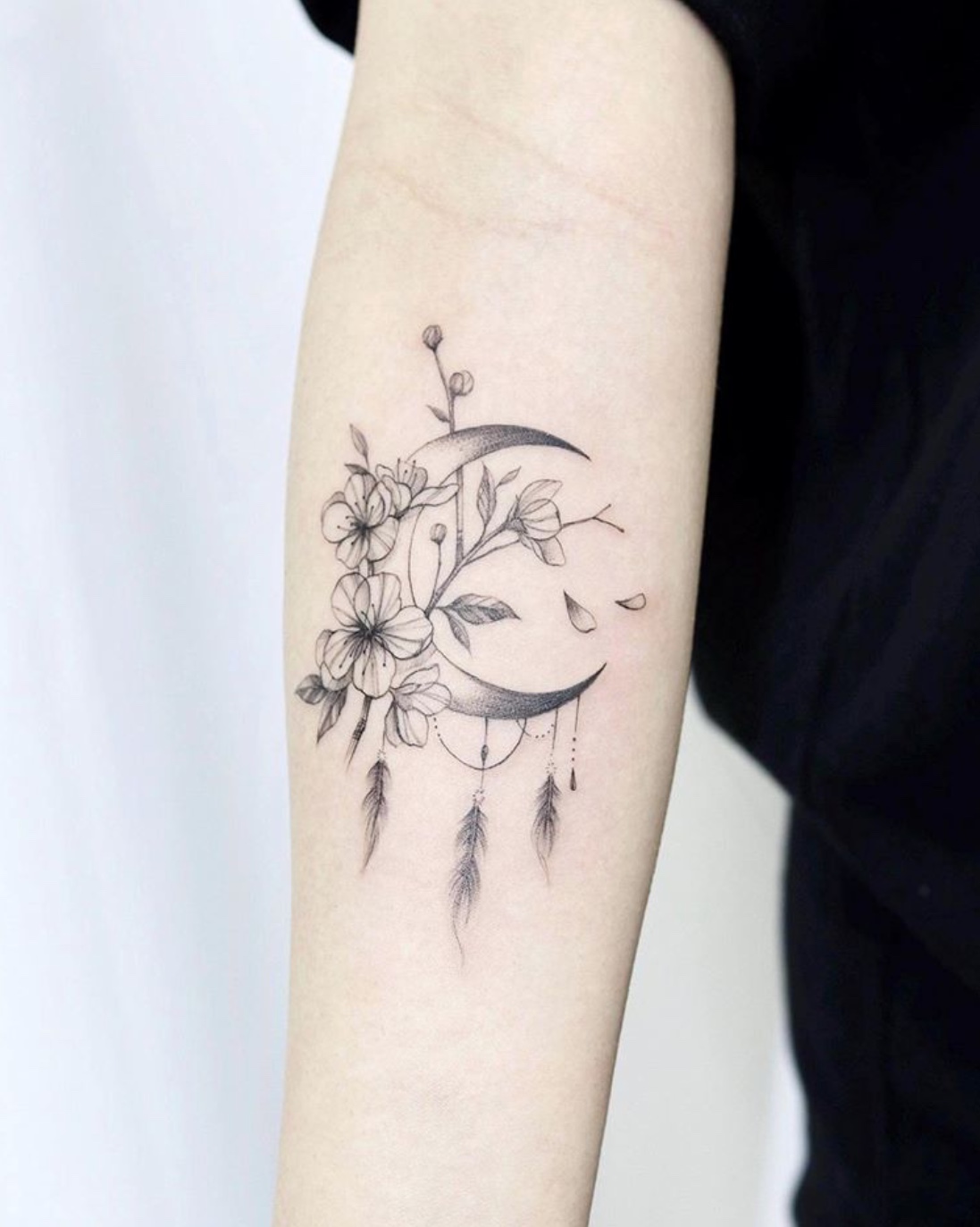
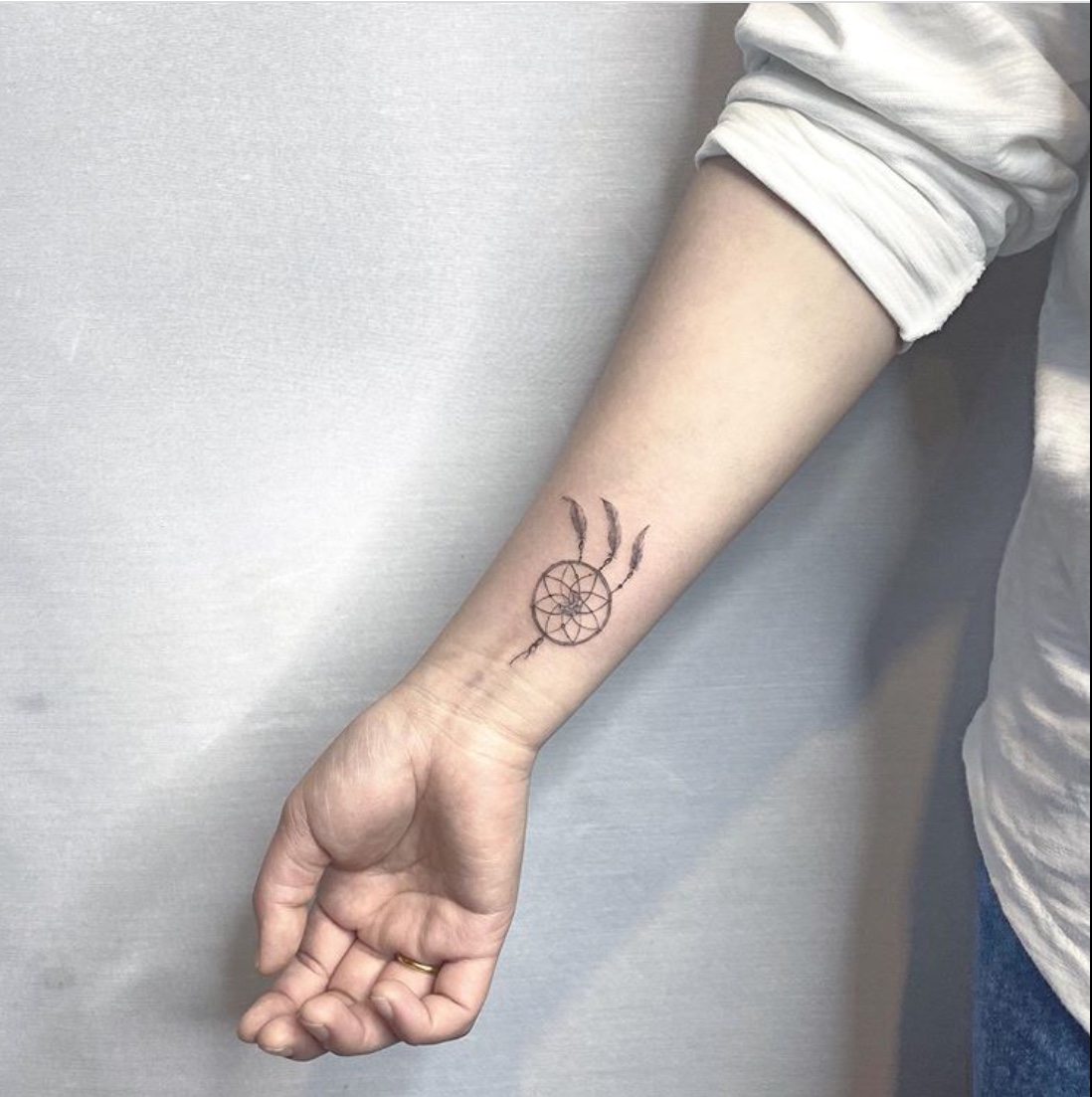
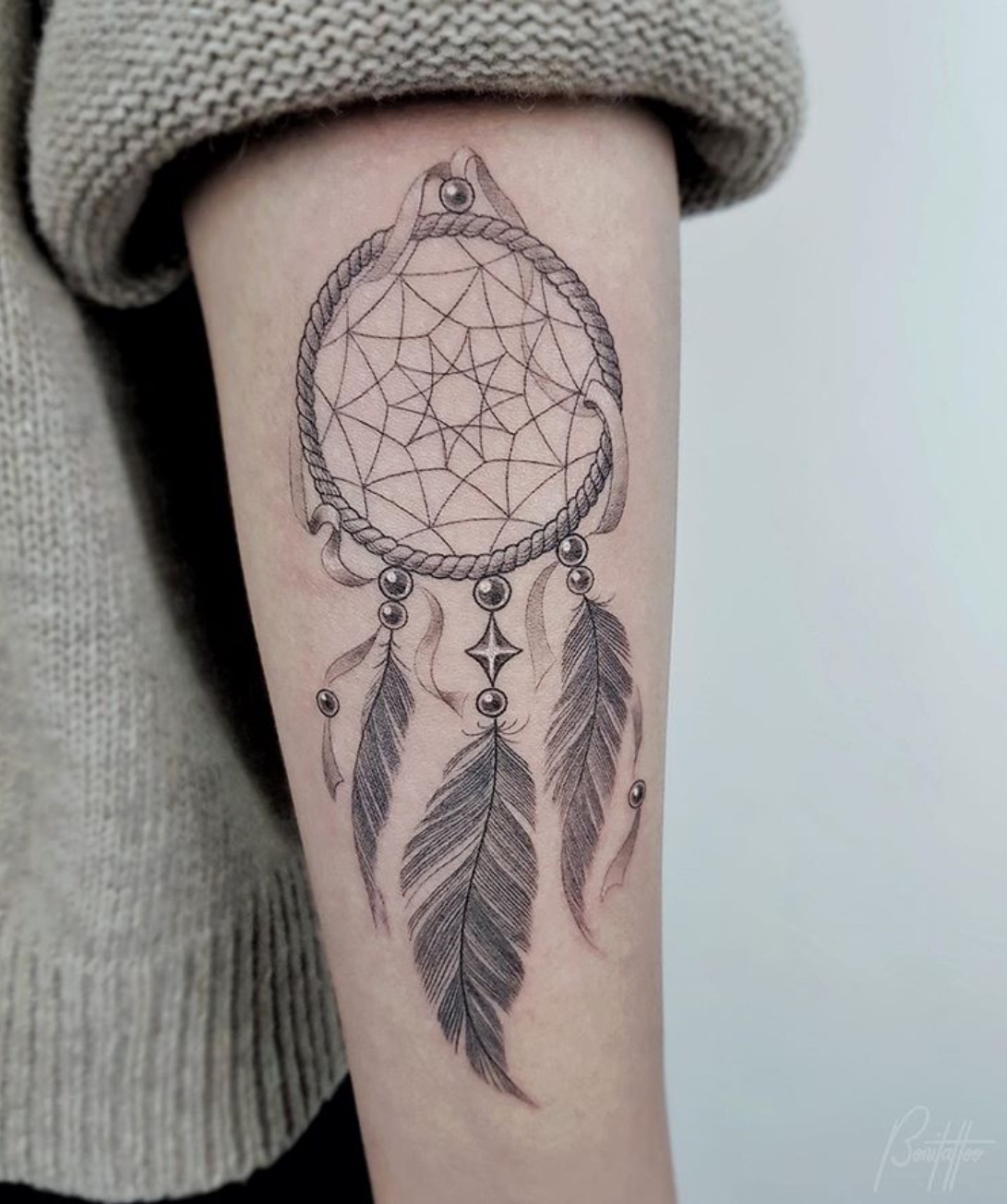
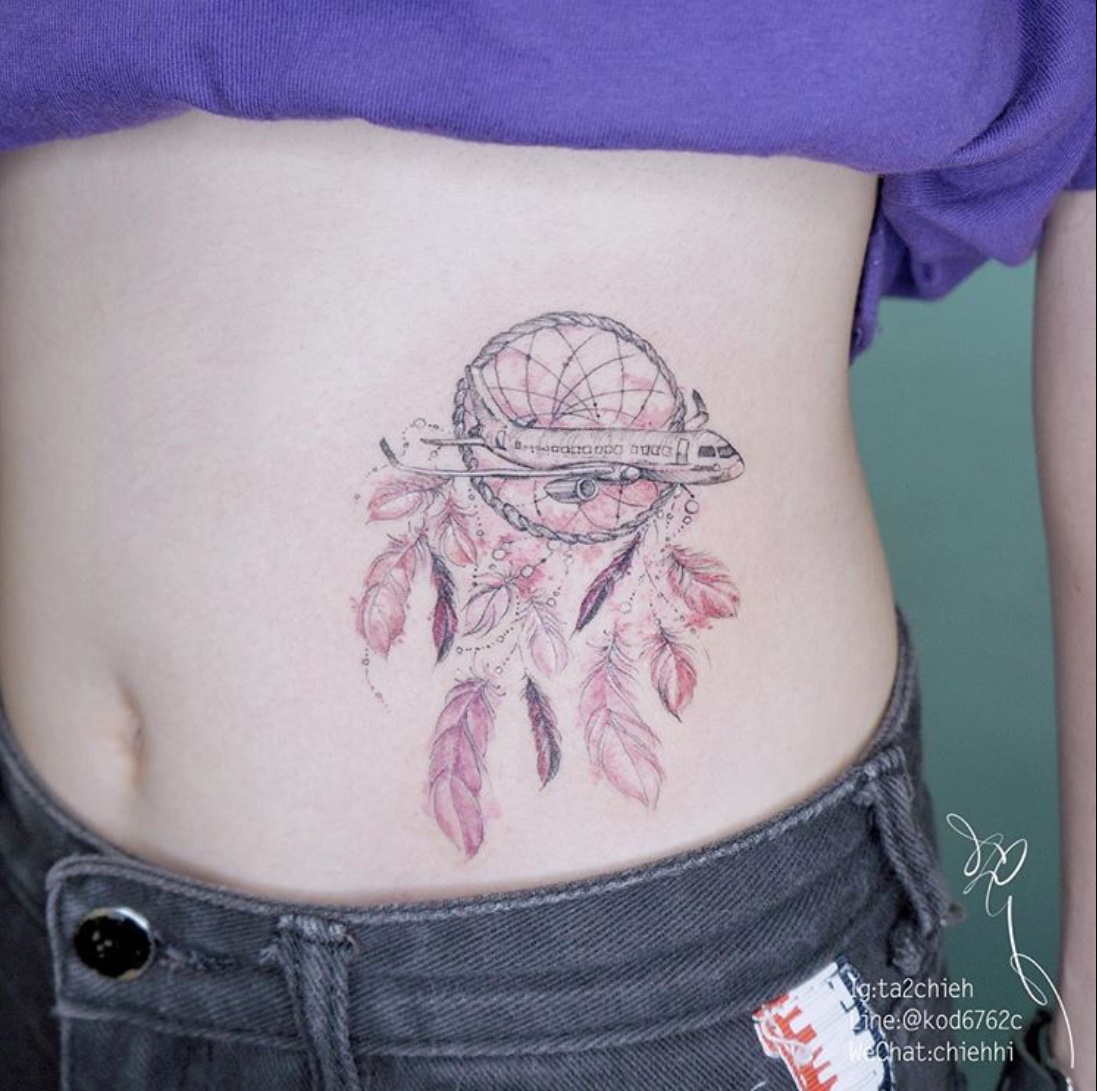
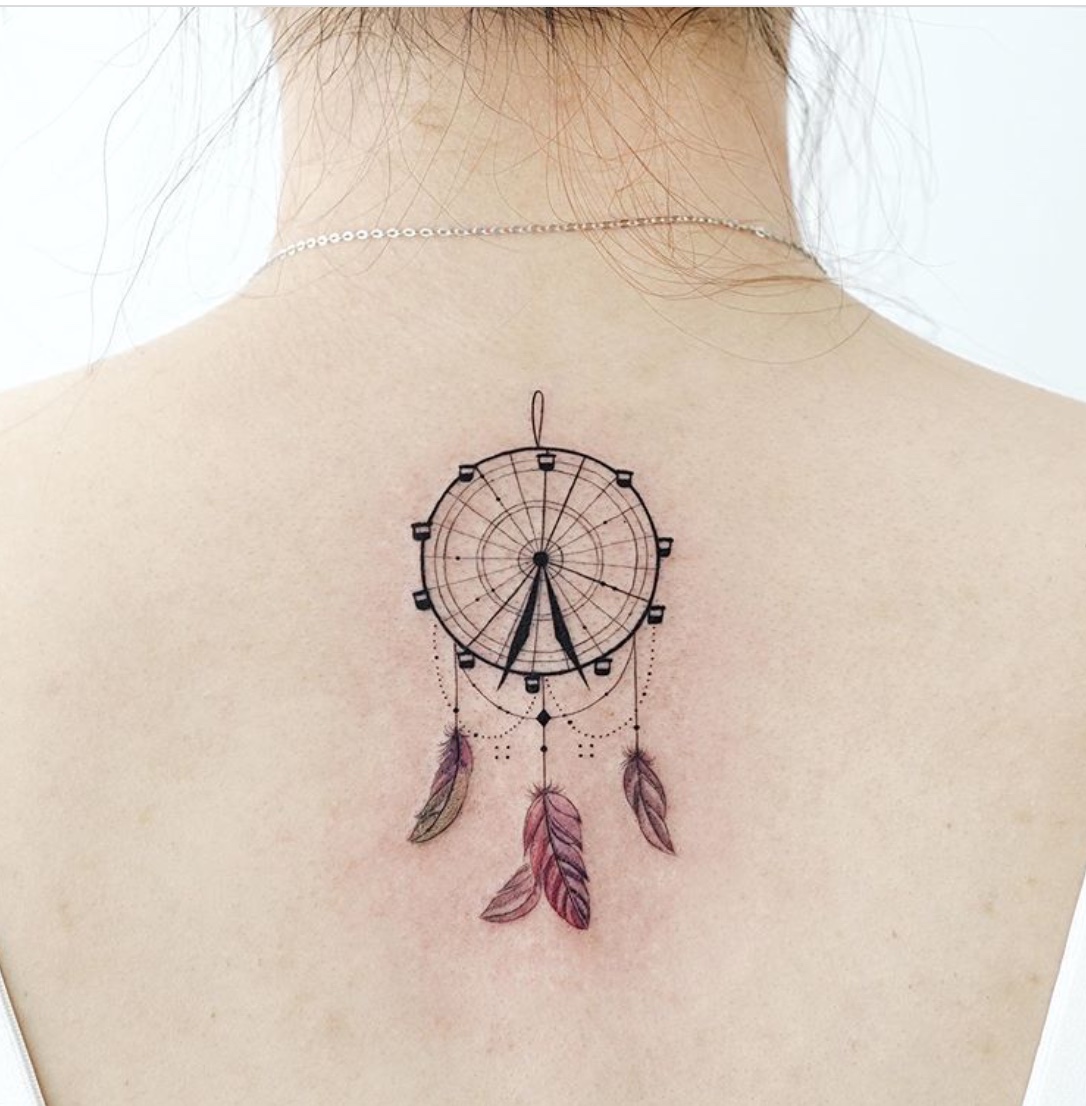
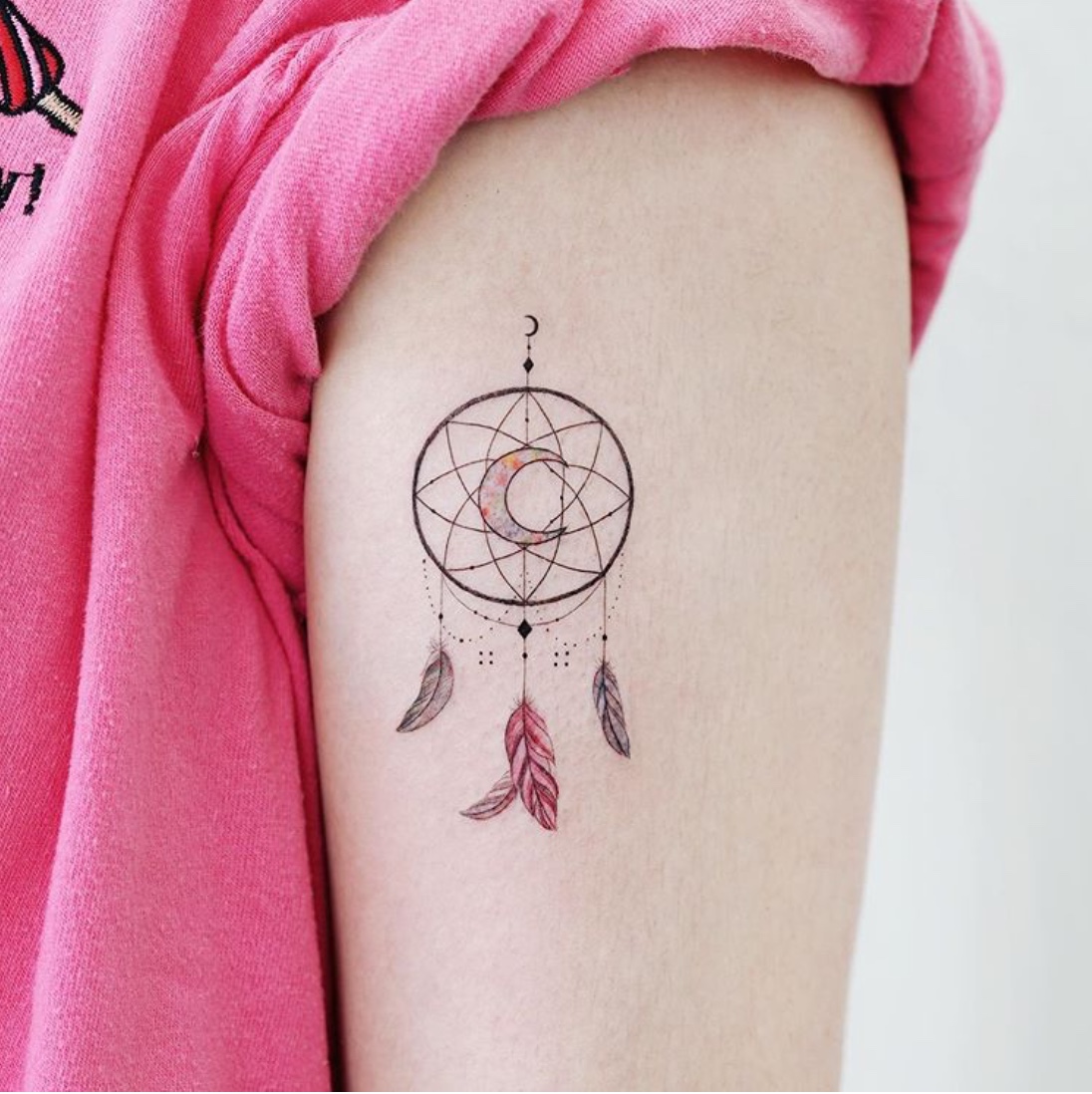
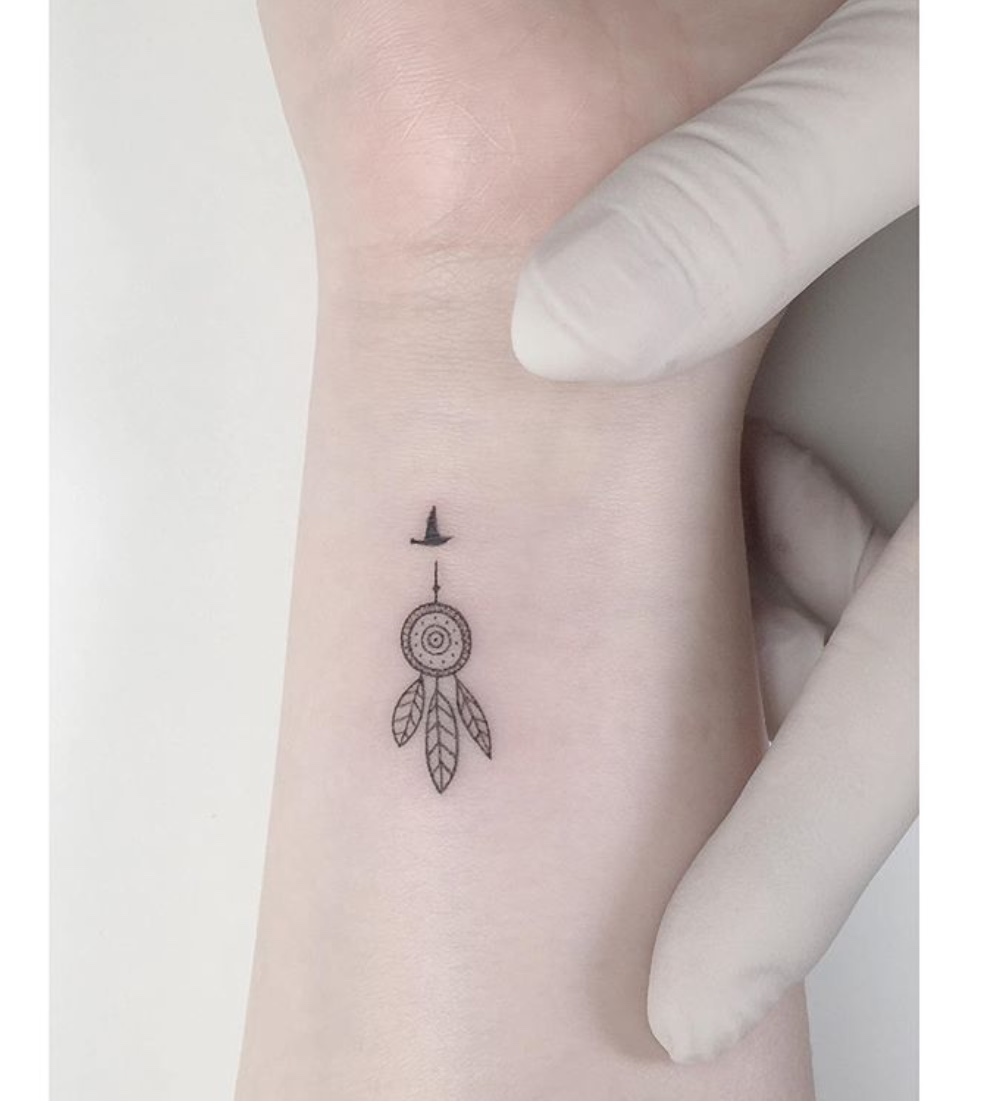
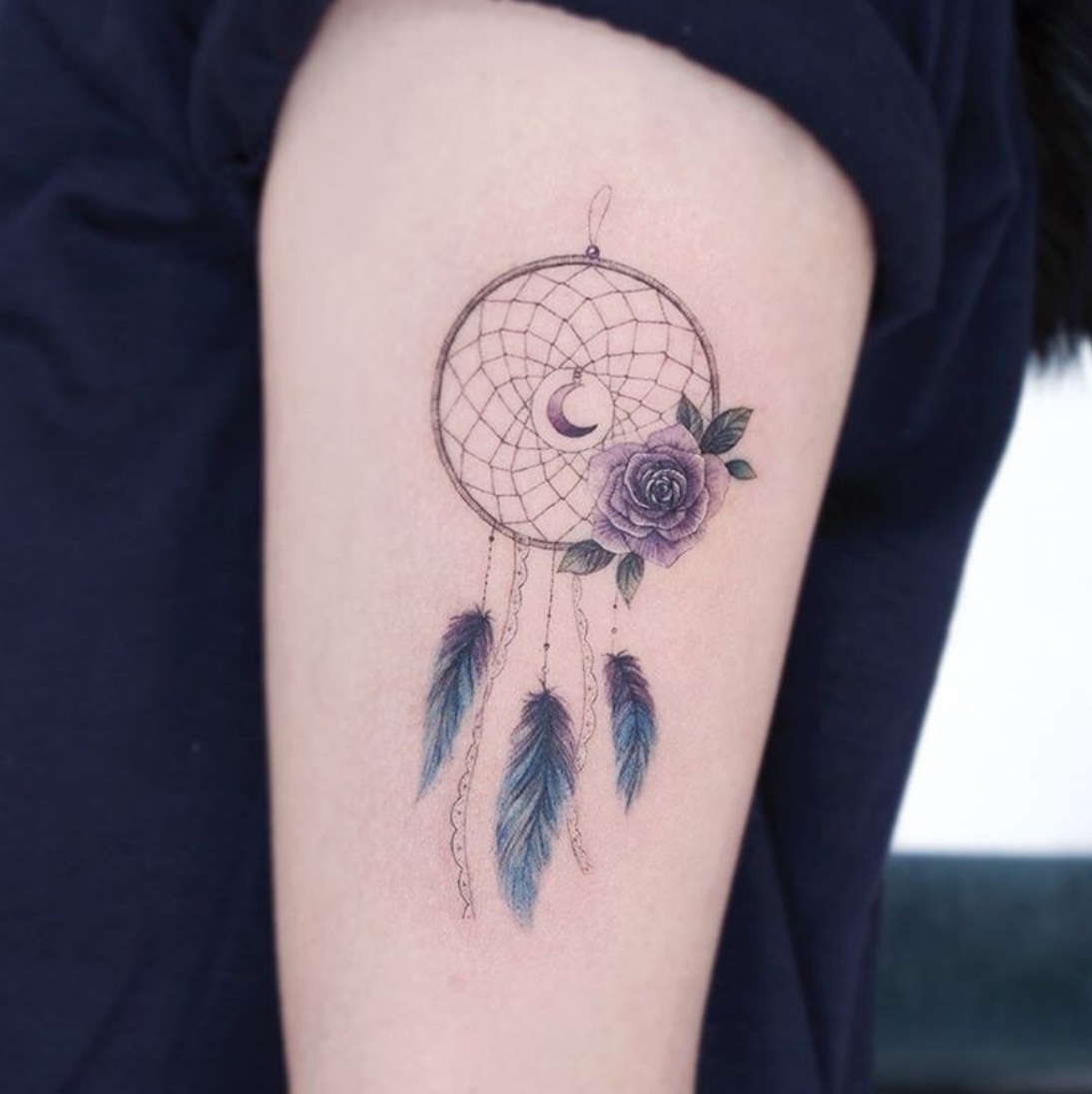
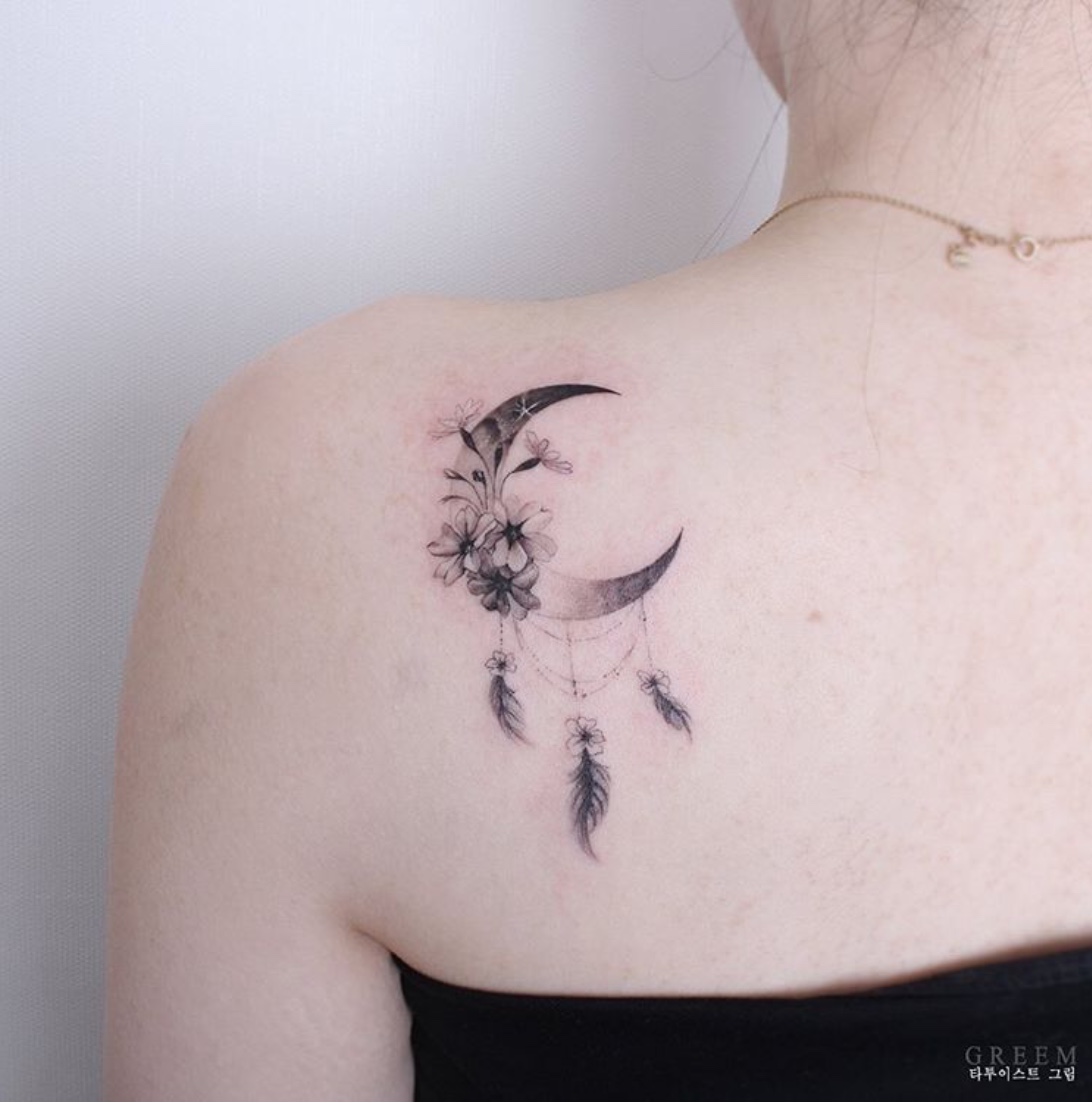
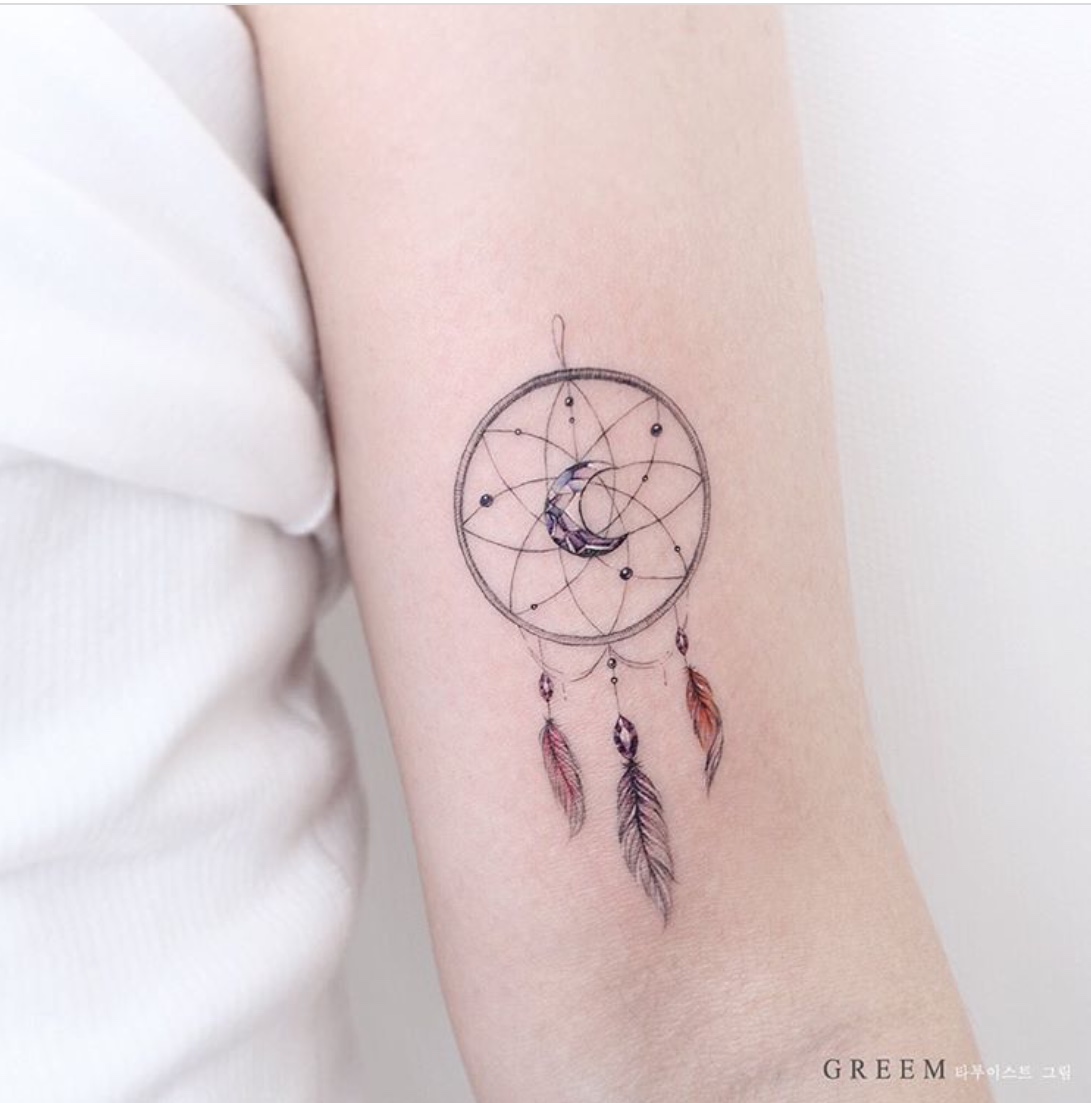
Dreamcatcher tattoos have grown in popularity among both men and women because of the flexibility of the design and the personal symbolism attached to it. They can be large and detailed, small and delicate, coloured or tonal, traditional or modern. Whether placed on the back, ribs, thigh, or shoulder, a dreamcatcher tattoo carries a spiritual presence that feels both grounding and uplifting.
Below, we’ll explore the cultural significance of dreamcatchers, their spiritual meaning, why people choose dreamcatcher tattoos, and how to care for one properly once you get it.
In This Article
The Cultural Roots of Dreamcatchers
Before exploring dreamcatcher tattoos, it’s important to understand the heritage behind them. Dreamcatchers originate from the Ojibwe (Chippewa) people, one of the Indigenous tribes of North America.
According to traditional stories, the dreamcatcher was created as a protective charm. It was usually hung above a sleeping child’s bed to filter their dreams. The web design was believed to catch harmful dreams and negative energy, while good dreams would pass through the centre hole and travel down the feathers to reach the sleeper.
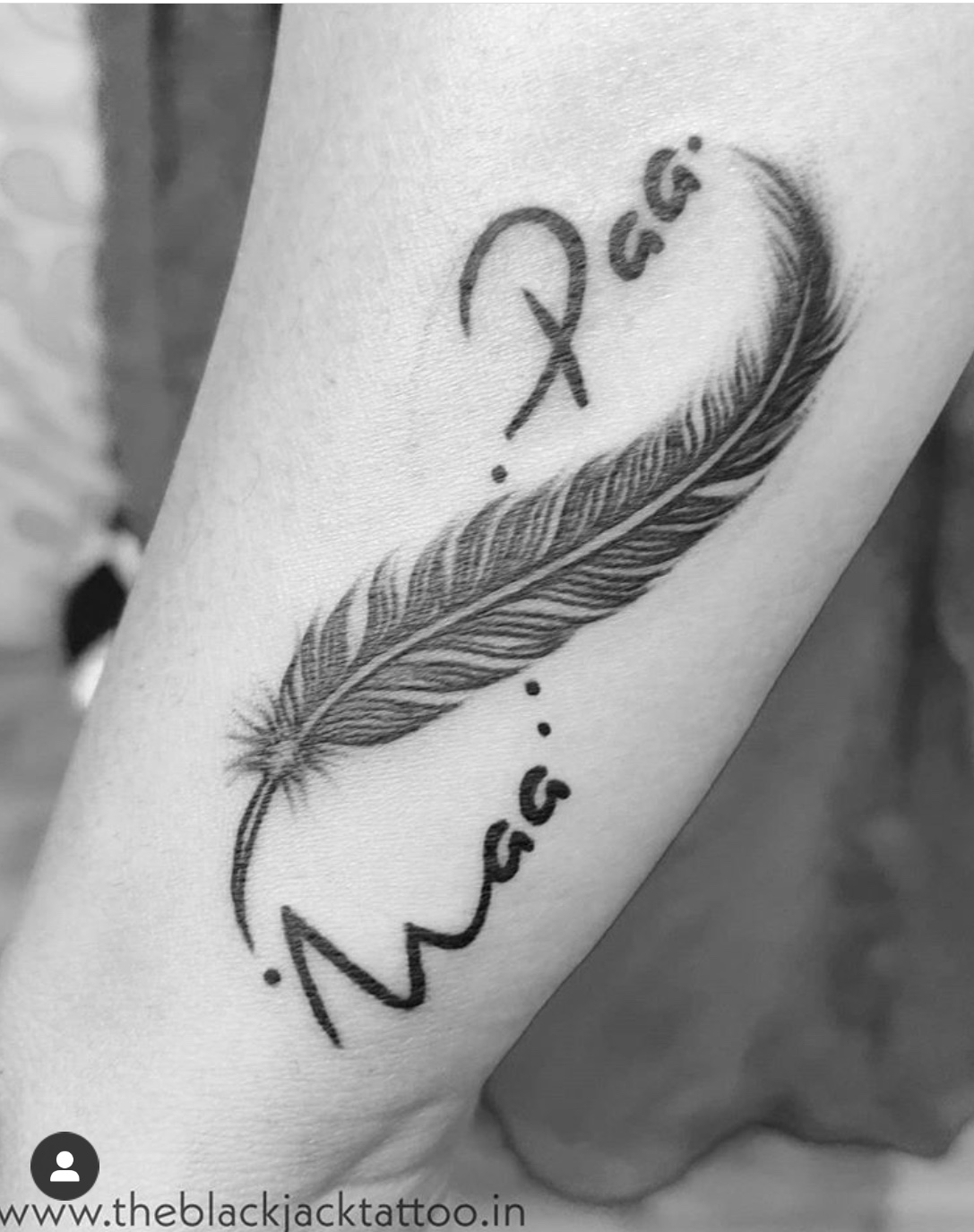
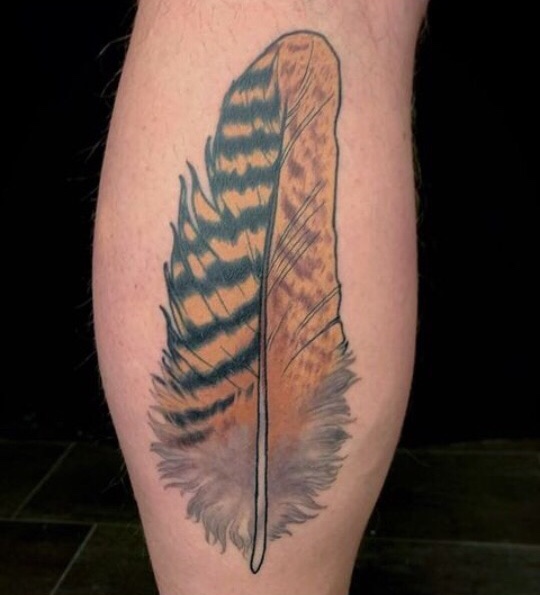
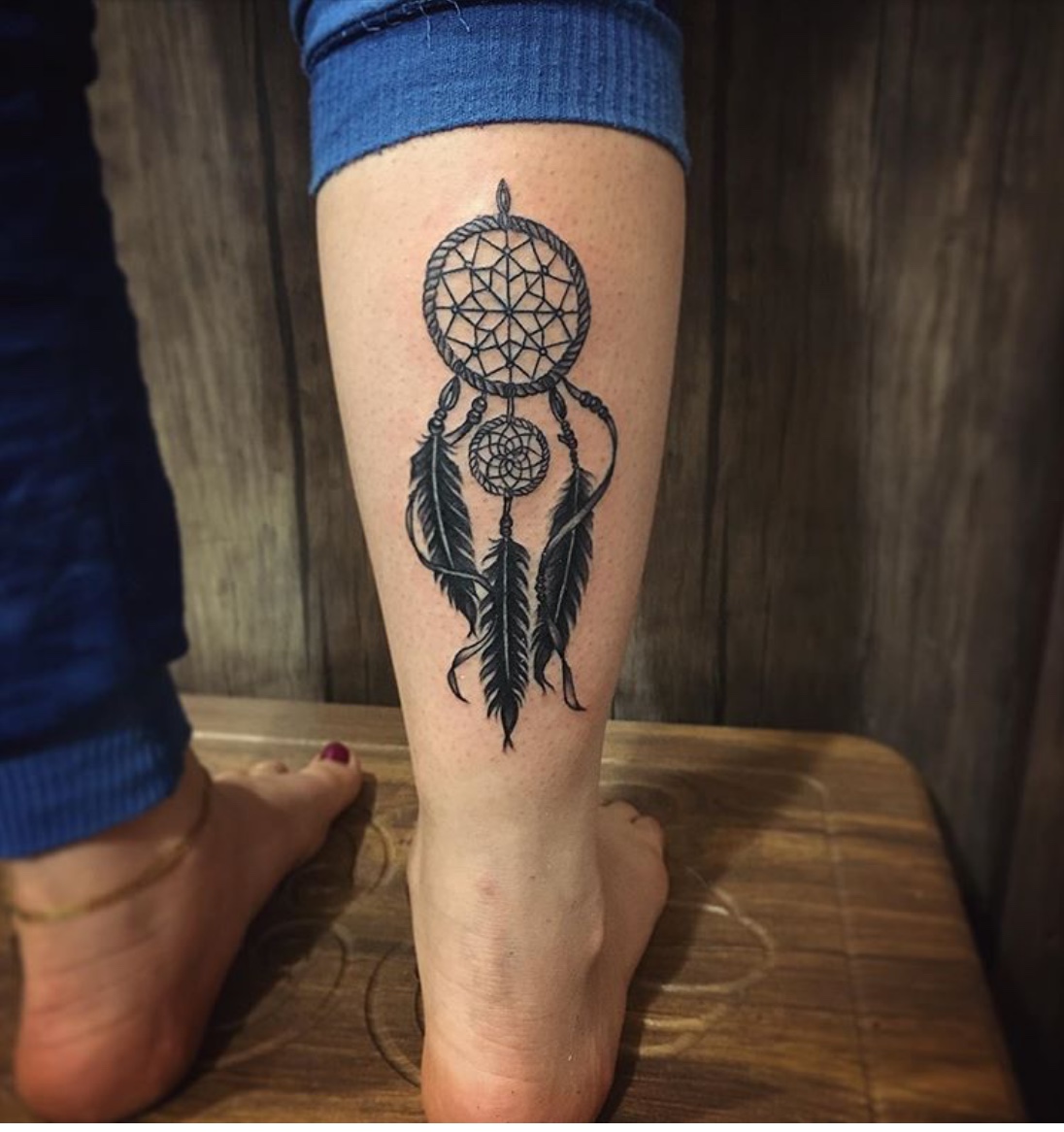
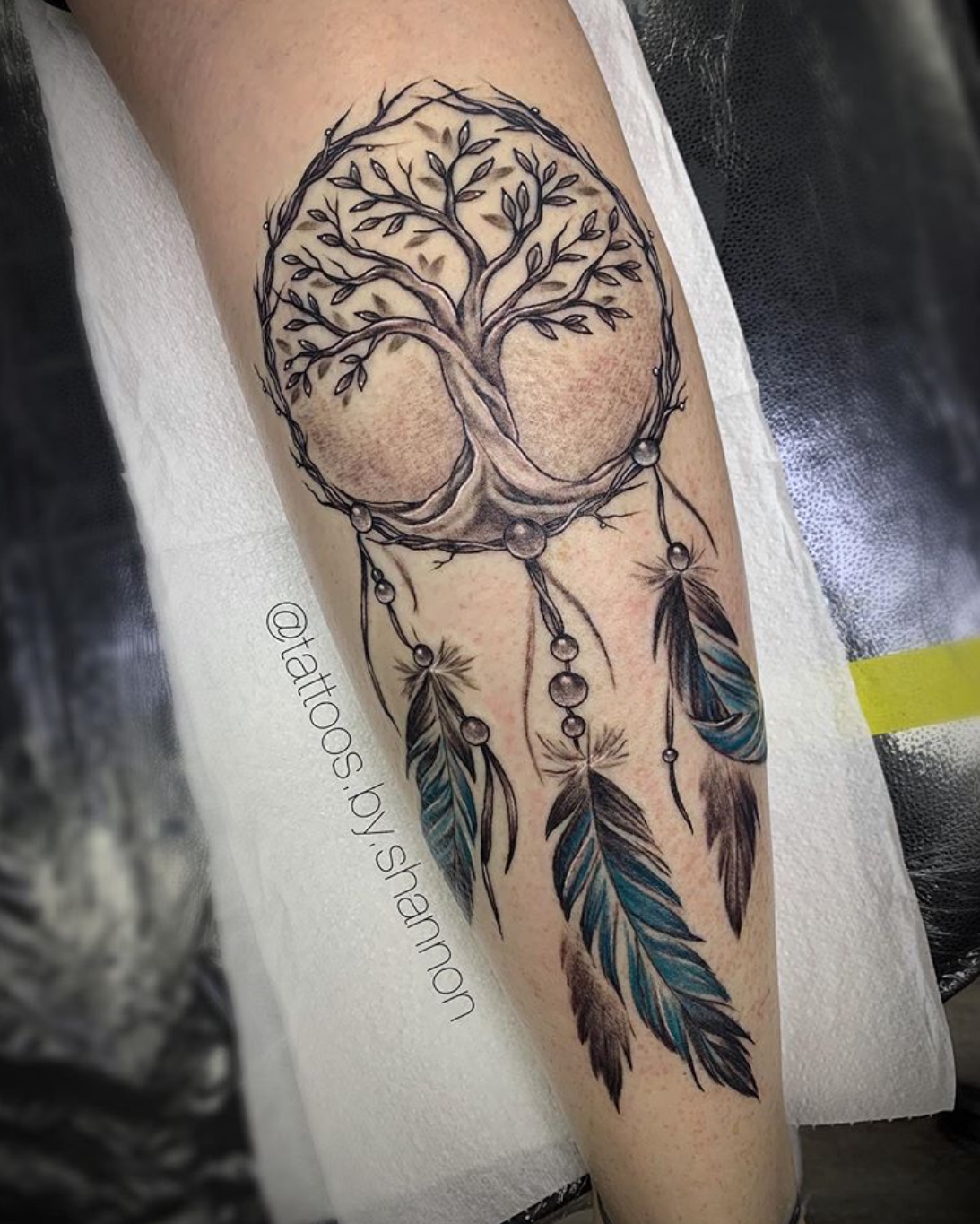
Every part of the dreamcatcher carries meaning. The circular hoop represents the circle of life and the continuous energy of the universe. The woven web symbolises protection and the interconnectedness of experiences. Feathers represent breath, freedom, and the movement of good dreams. Sometimes beads or stones are added, each holding personal or spiritual significance for the creator.
Even as dreamcatchers have become known around the world, their roots in Native American culture remain deeply important. For many people today, wearing a dreamcatcher tattoo is a way to honour that meaning, respect its origins, and carry a symbol of protection close to the body.
The Spiritual Symbolism Behind Dreamcatcher Tattoos
Just like the physical dreamcatcher, the tattoo version is believed by many to symbolise protection, clarity, and emotional filtering.
A dreamcatcher tattoo can represent the desire to let go of negativity. Whether it’s harmful thoughts, toxic relationships, bad memories, or self‑doubt. It becomes a personal reminder that not everything deserves space in our lives. Instead, the tattoo emphasises welcoming positivity, hope, creativity, and peace.
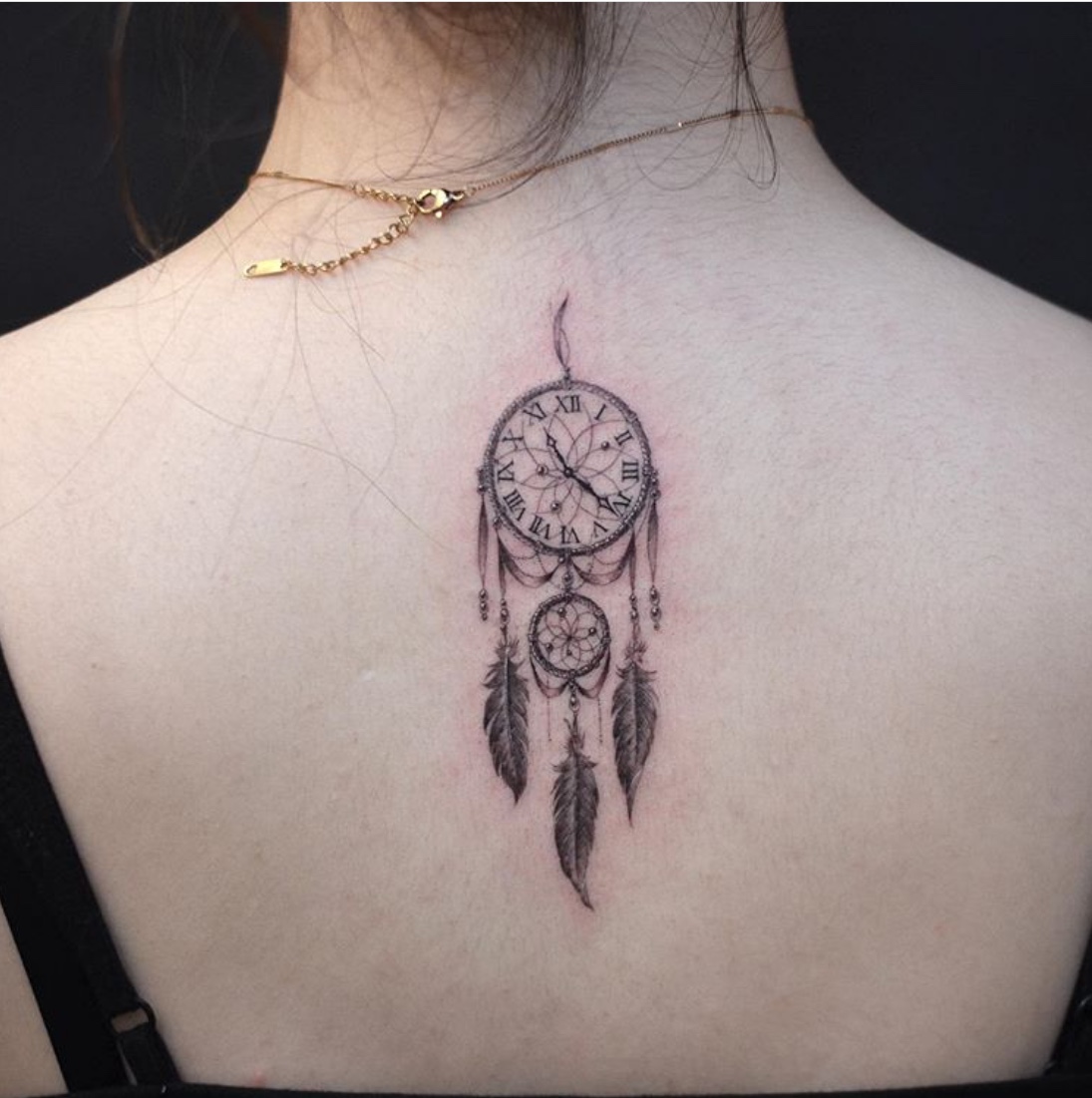
Spiritually, dreamcatcher tattoos often symbolise:
• Protection: Guarding oneself from harm, negative influences, or emotional turbulence.
• Filtering Energy: The tattoo acts as a symbolic shield, encouraging calmness and focus while filtering out fear or negativity.
• Connection to Culture: For those with Native American heritage, a dreamcatcher tattoo can represent identity, ancestry, and spiritual grounding.
• Healing and Renewal: Many people choose the design during periods of personal change, using it as a reminder of inner strength and resilience.
The feathers, beads, and web within the tattoo can be personalised to hold even deeper meaning. Each element becomes part of a visual story that reflects the wearer’s journey.
Why People Choose Dreamcatcher Tattoos
Dreamcatcher tattoos are chosen for a variety of personal, emotional, and aesthetic reasons. Here are some of the most common motivations:
1. A Symbol of Protection
Many people choose the dreamcatcher tattoo because they want a symbol that makes them feel spiritually or emotionally safe. Whether dealing with anxiety, past trauma, or difficult life transitions, the tattoo can serve as a reminder that positivity and protection surround them.
2. To Filter Out Negativity
The concept of “filtering” negativity resonates deeply with those who want to break away from harmful patterns. A dreamcatcher tattoo can represent letting go of toxic energy, harmful memories, or internal obstacles. It becomes a personal statement about choosing peace over chaos.
3. Personal Transformation
Some people get dreamcatcher tattoos during major life changes—starting a new chapter, healing from heartbreak, or embracing self‑growth. The design stands for hope, new beginnings, and the belief that better days are ahead.
4. Cultural Connection or Respect
Those with Native American heritage sometimes choose a dreamcatcher tattoo to honour their roots. Others, while not part of the culture, are drawn to the symbolism and approach it with respect and understanding. The key is appreciating the meaning and history behind the design.
5. Aesthetic Beauty and Customisation
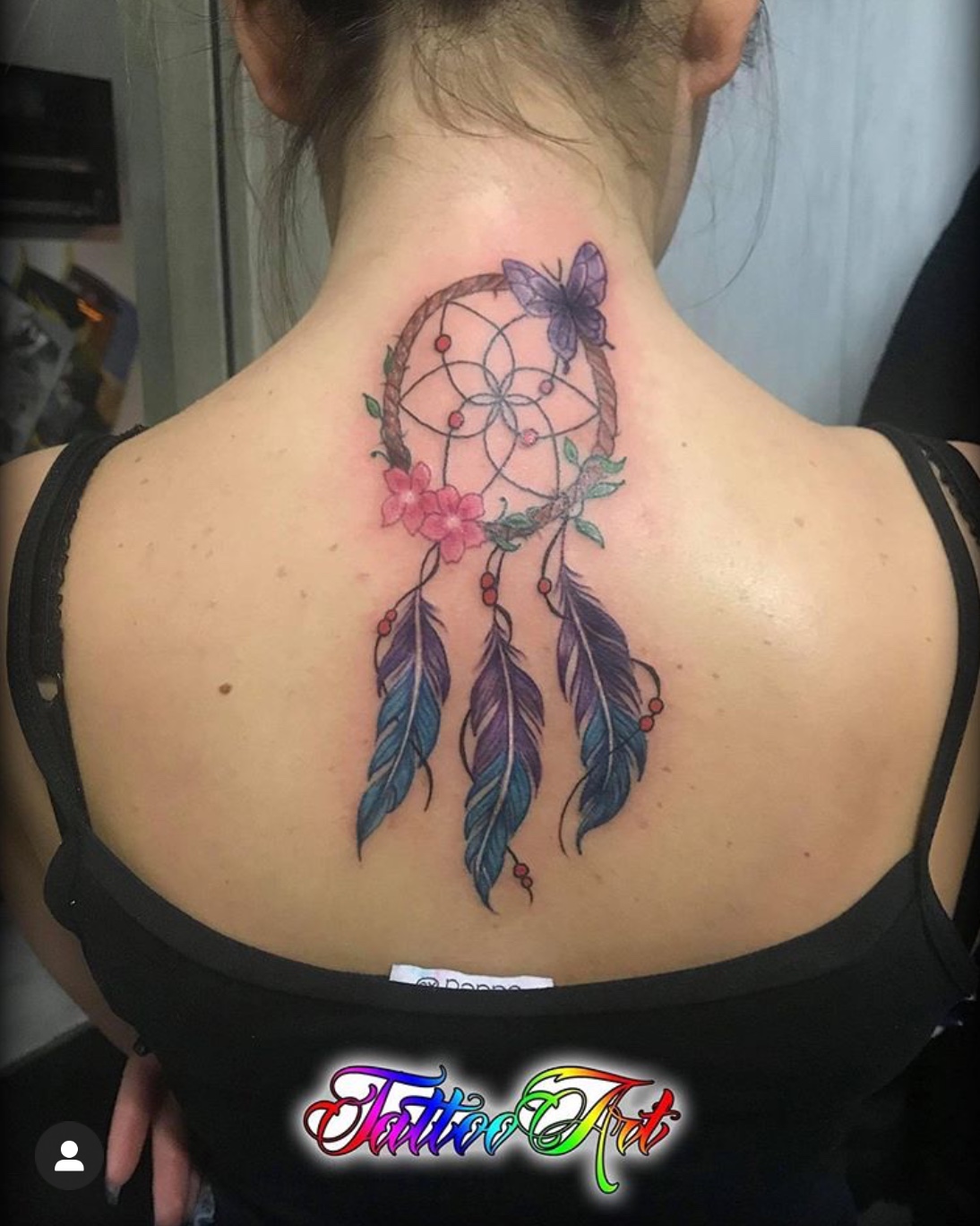
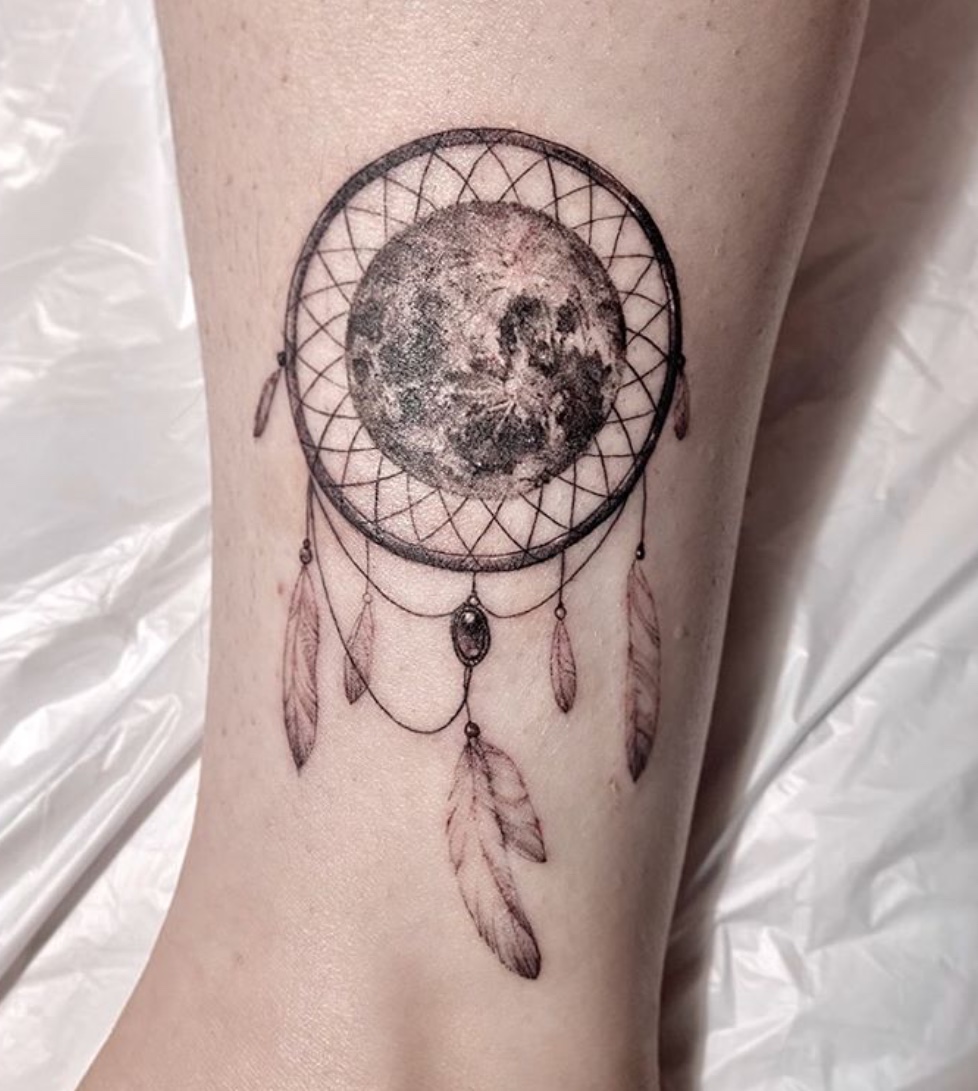
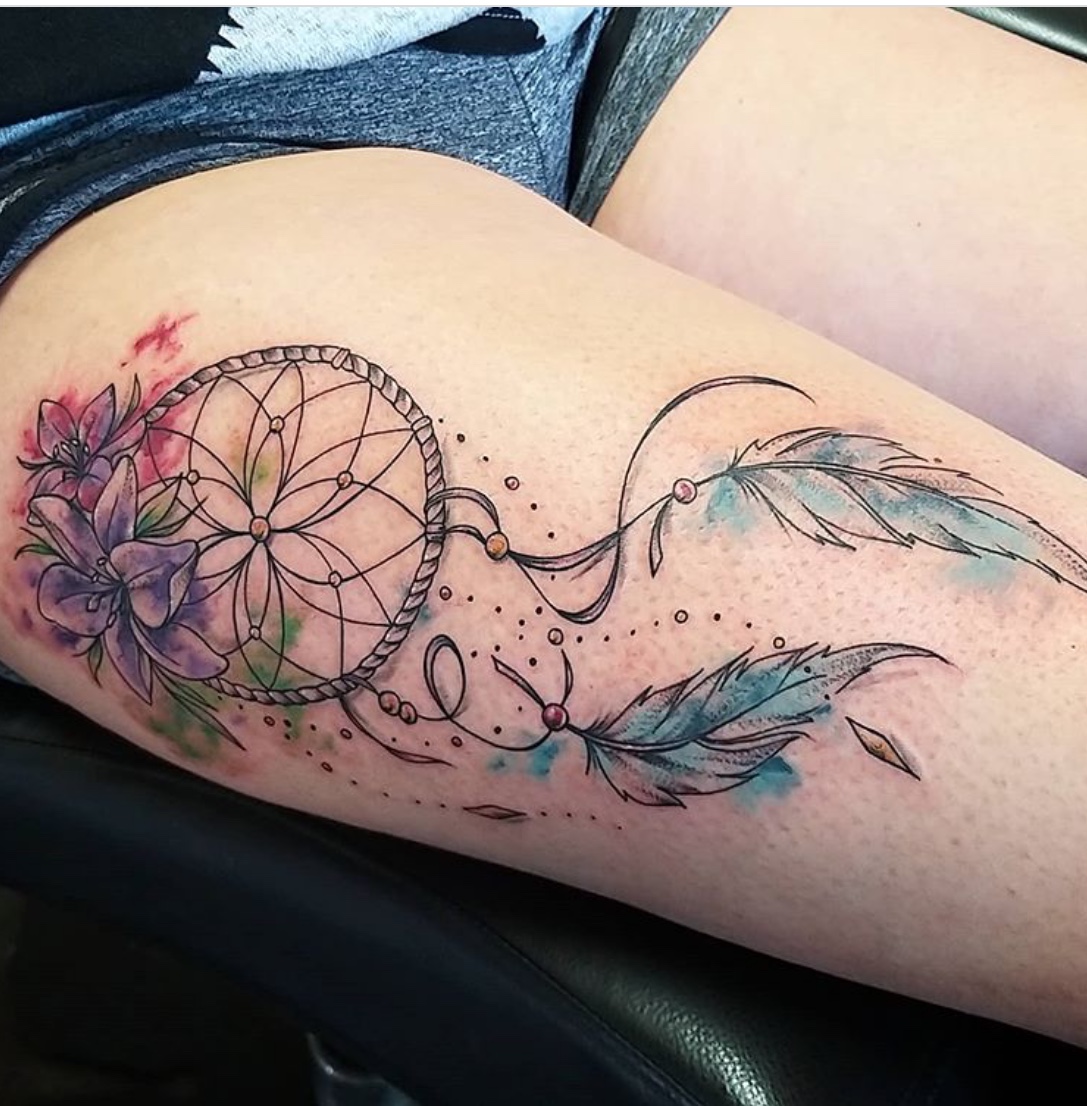
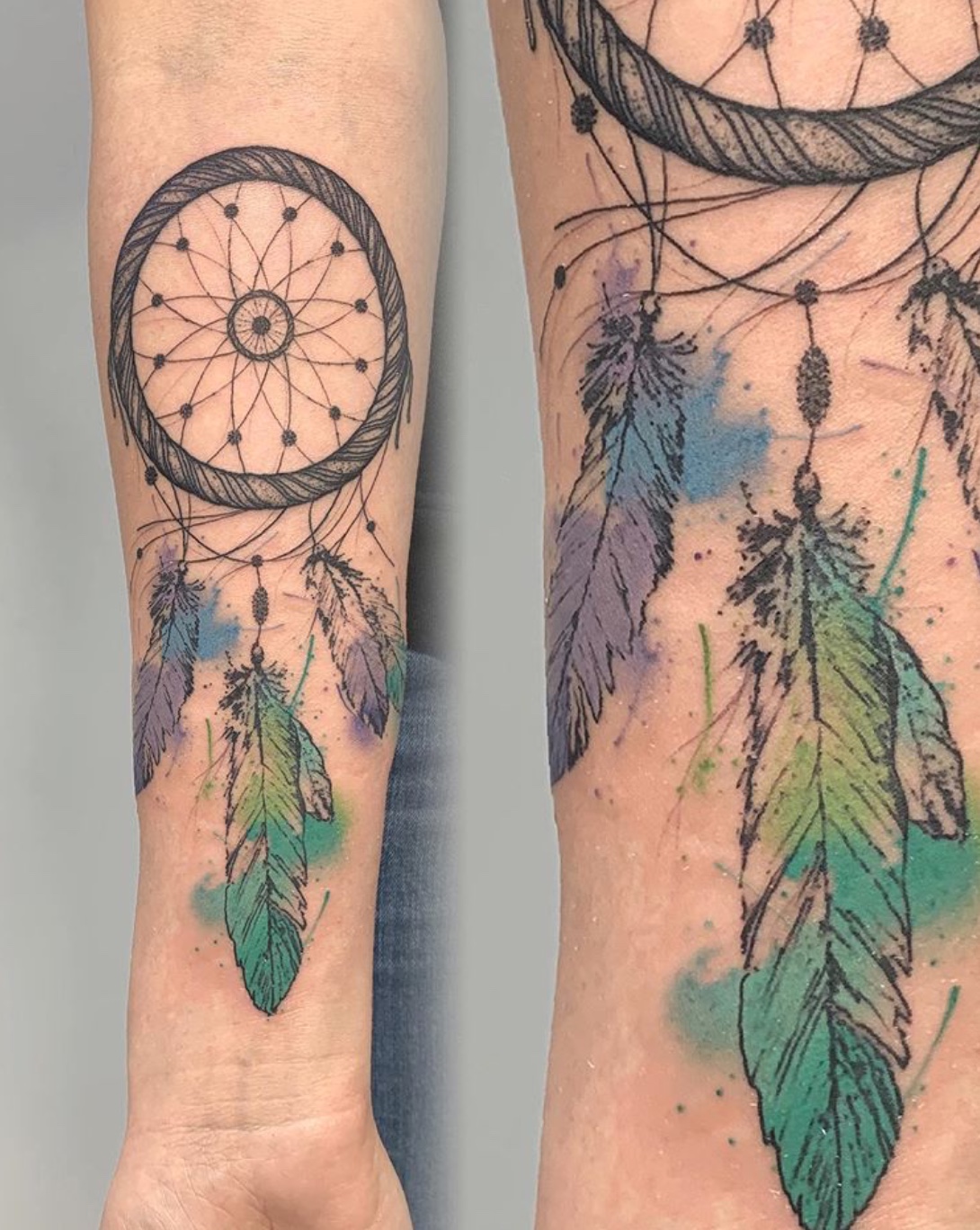
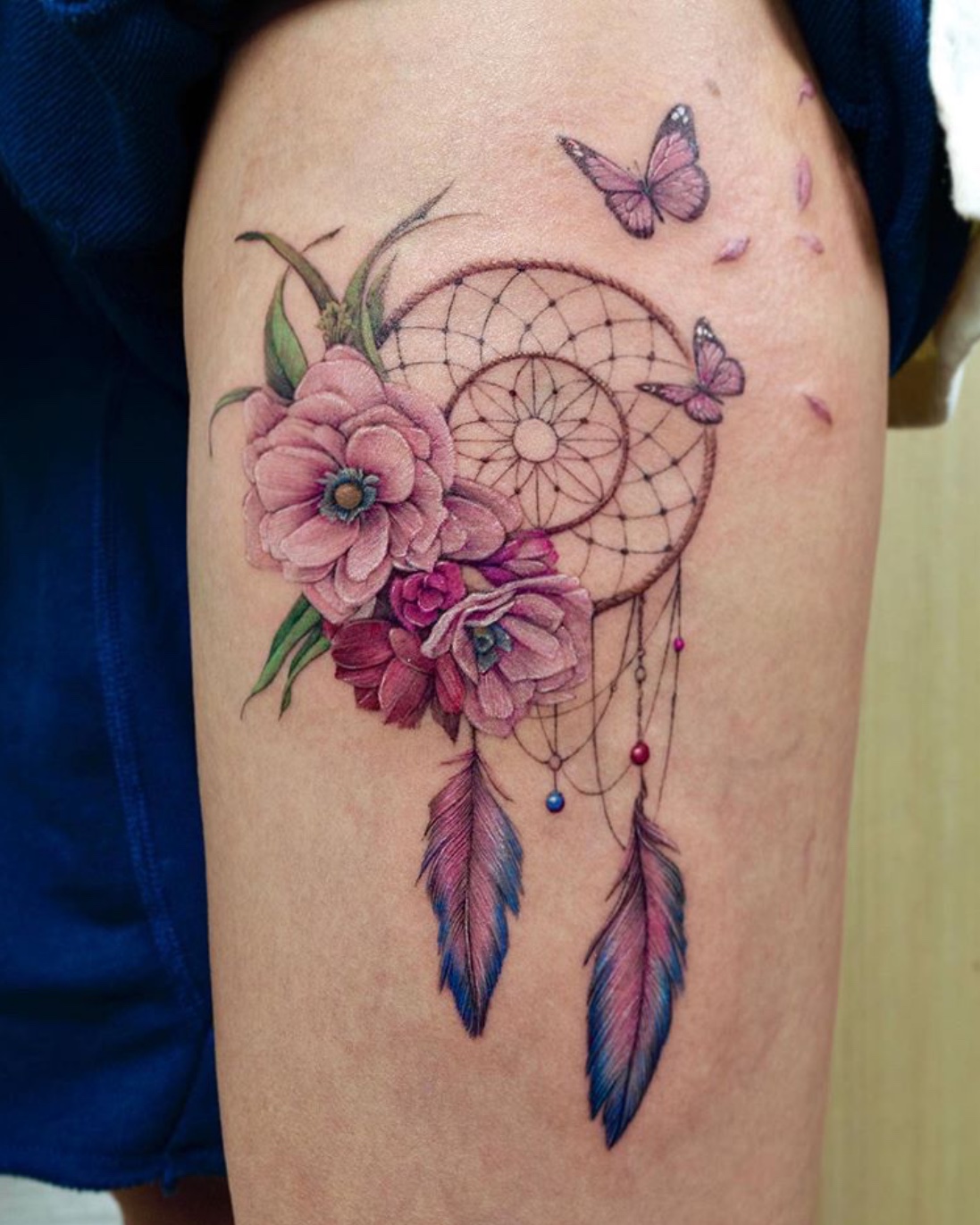
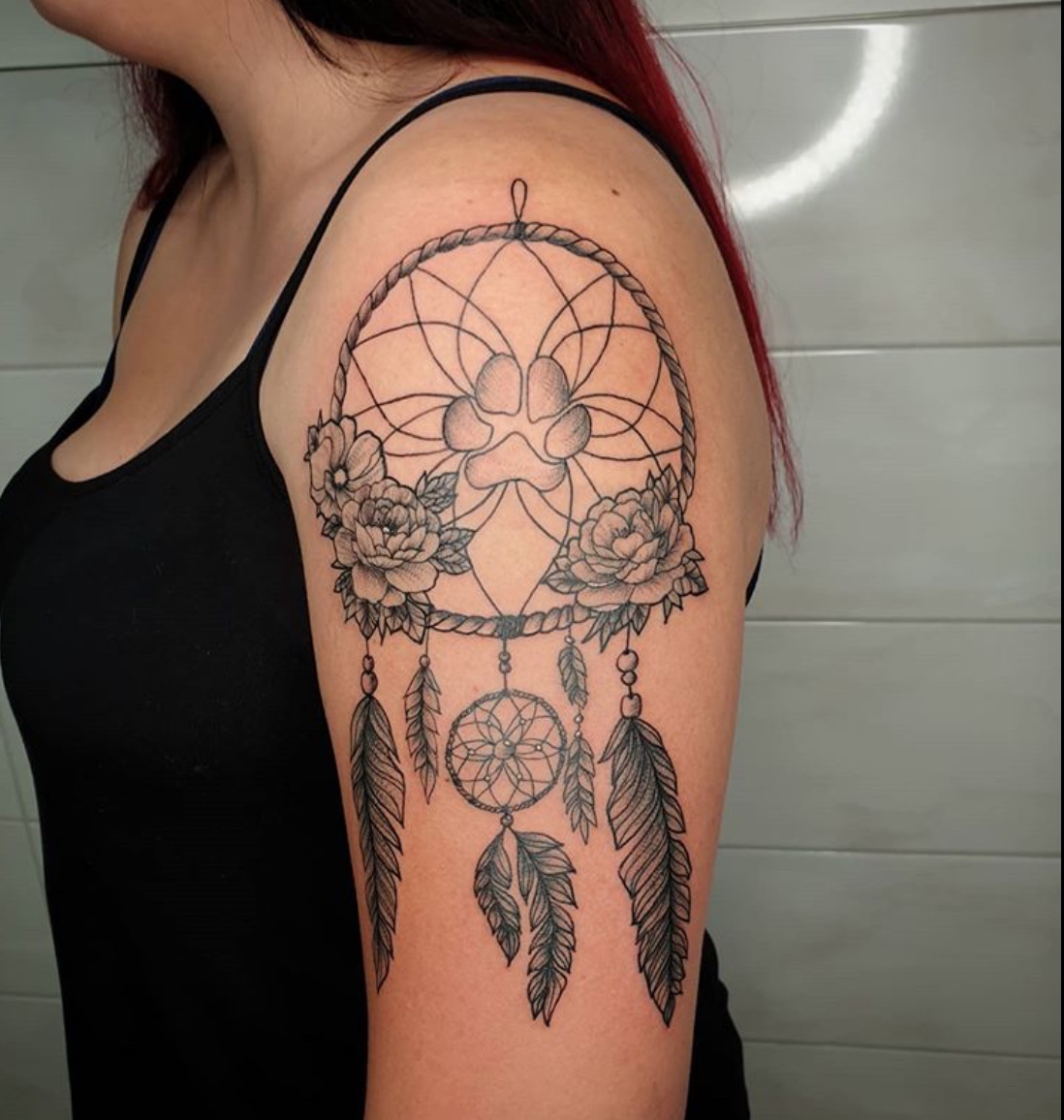
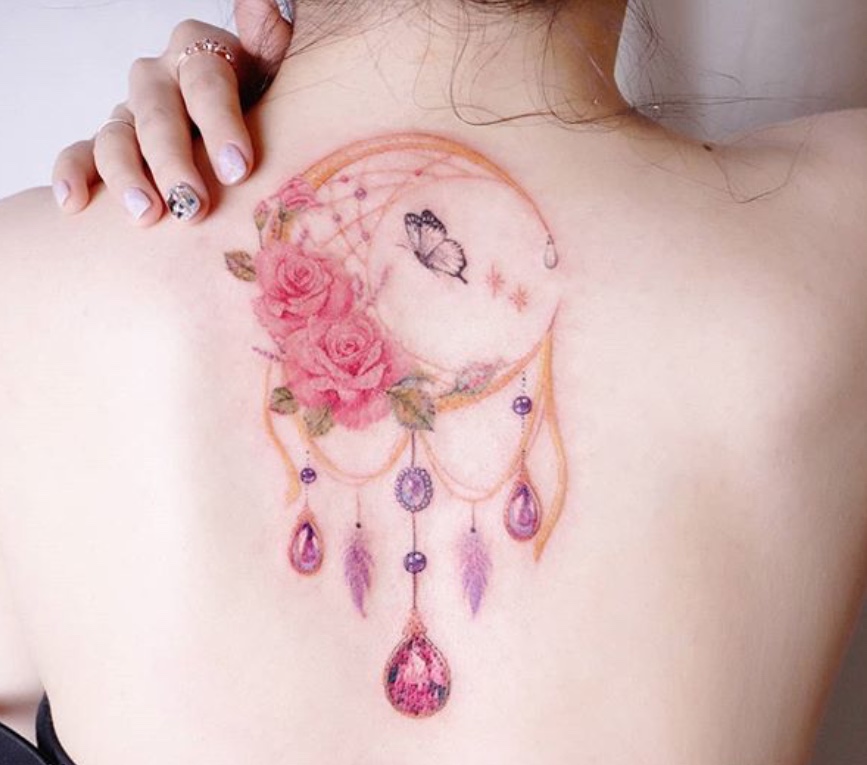
Dreamcatcher tattoos are endlessly customisable. They can be combined with flowers, birds, butterflies, animals, names, quotes, or spiritual elements. They suit many styles; traditional, minimalist, watercolour, geometric, or bold shading. Their versatility makes them appealing for people with different tastes and artistic preferences.
Dreamcatcher Tattoo Placement Ideas
Your chosen placement can add even more meaning to your tattoo. Popular locations include:
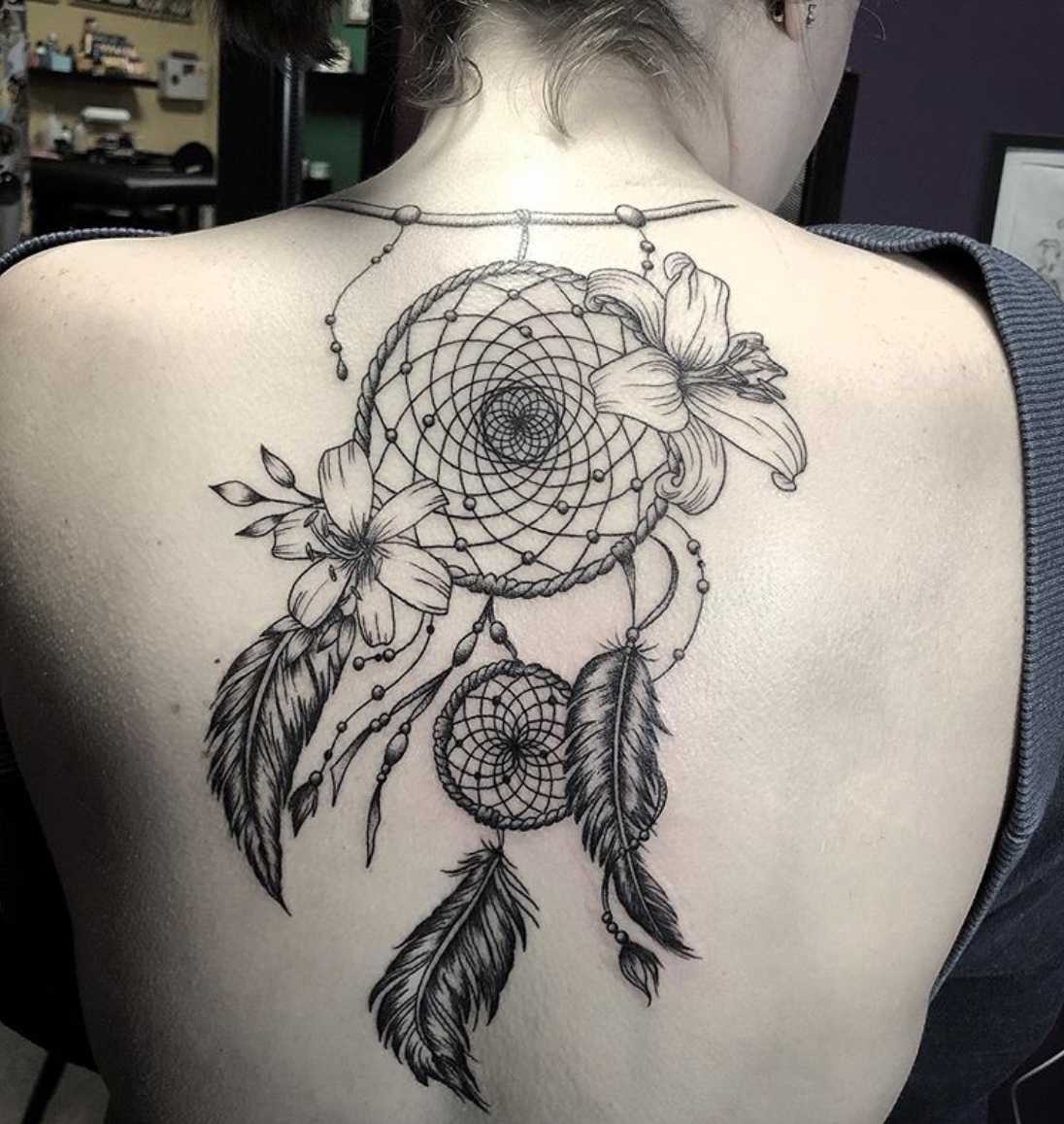
• Back: Ideal for large, detailed dreamcatcher designs.
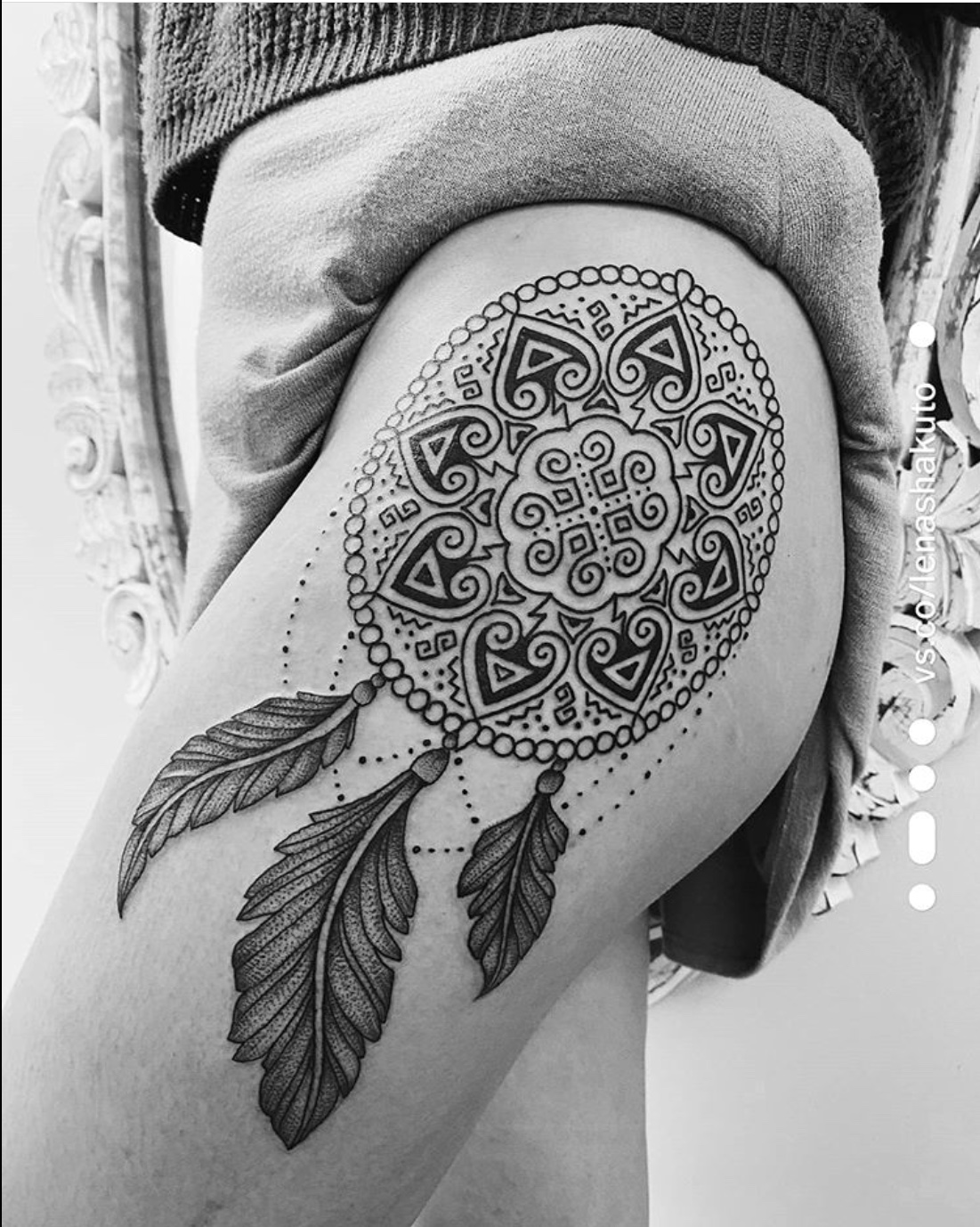
• Thigh: Offers a feminine and elegant canvas, especially for floral additions.
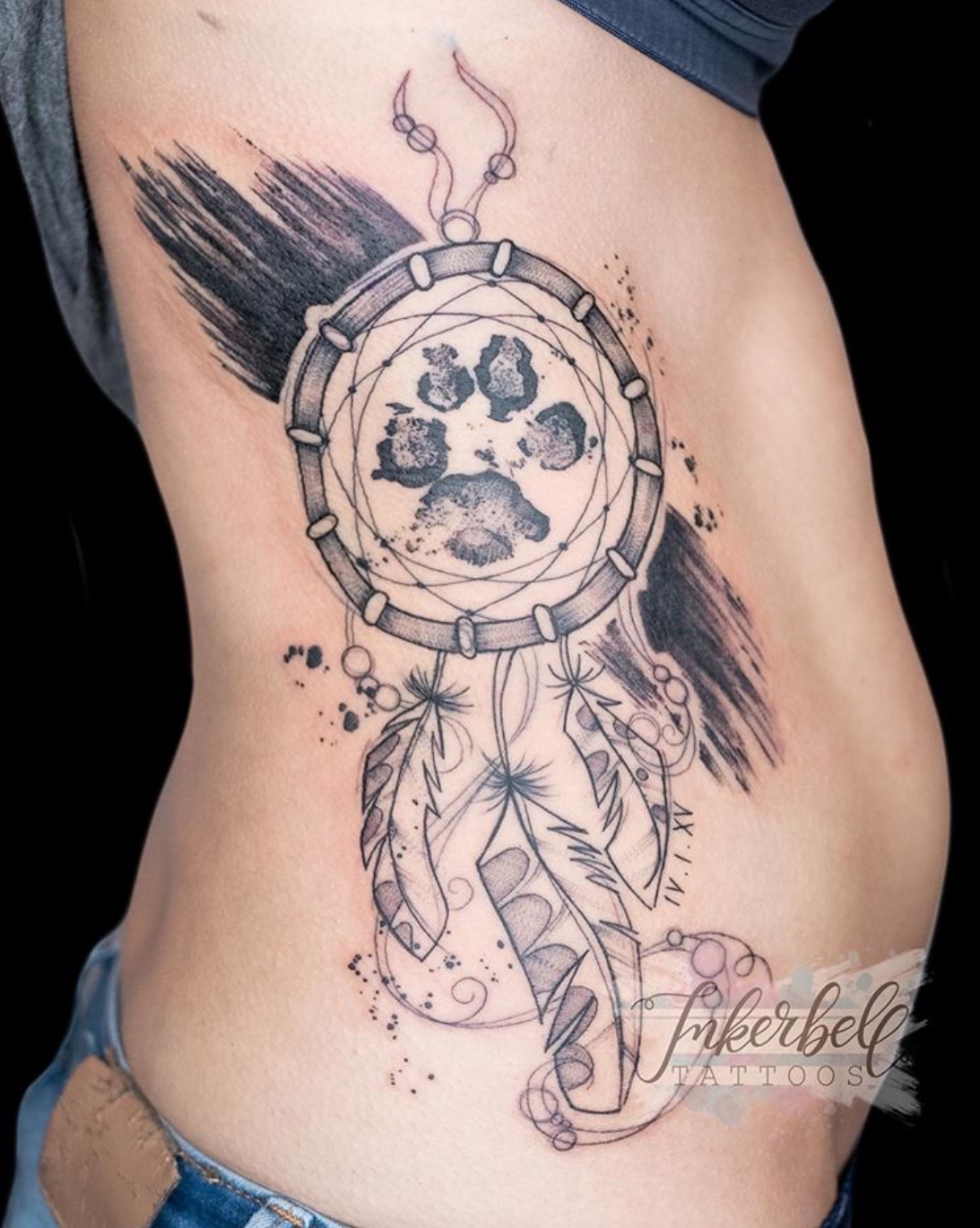
• Ribcage: Ribs allow long, flowing designs and look striking when feathers are included.
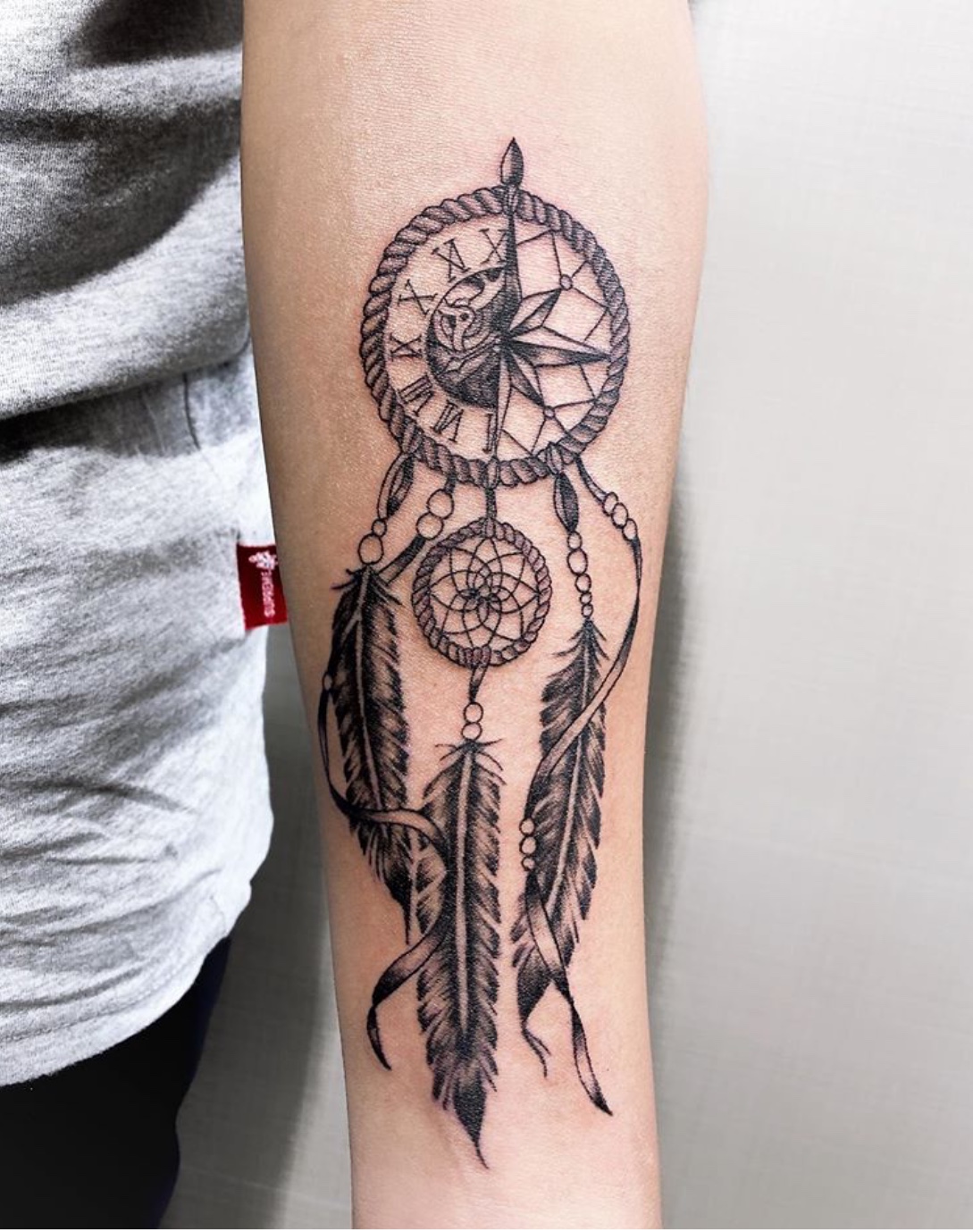
• Shoulder and upper arm: A great spot for medium‑sized dreamcatchers that wrap naturally around the body’s shape.
• Side torso: Perfect for vertical dreamcatchers with long feathers and intricate details.
Each placement offers its own aesthetic, so think about how visible you want the tattoo to be and how the design fits with your body’s natural lines.
Related Posts


Dreamcatcher Tattoo Aftercare Tips
Proper aftercare is essential for keeping your tattoo vibrant and healthy. Dreamcatcher tattoos often contain fine lines, details, and shading, so taking care of the skin is especially important. Here’s how to look after your new tattoo:
1. Follow Your Artist’s Instructions
Your tattoo artist knows best. They’ll provide specific guidance based on their experience and the products they trust. Always prioritise their advice.
2. Keep the Area Clean
Wash the tattoo gently with lukewarm water and fragrance‑free soap. Pat it dry with a clean towel—never rub.
3. Use a Healing Ointment
Apply a thin layer of tattoo‑safe ointment or moisturiser to prevent dryness and promote healing. Avoid petroleum‑based products unless your artist recommends them.
4. Avoid Direct Sunlight
Sun exposure can fade your tattoo quickly, especially when it’s healing. Keep it covered or use a high‑SPF sunscreen once it’s fully healed.
5. Do Not Scratch or Pick
It’s normal for the tattoo to peel or feel itchy during healing. Don’t pick at it. This can cause scarring and patchy colour.
6. Avoid Swimming and Heavy Sweating
For at least two weeks, avoid pools, oceans, hot tubs, and intense exercise that causes excessive sweating.
By following these steps, your dreamcatcher tattoo will heal beautifully and maintain its fine details for years to come.
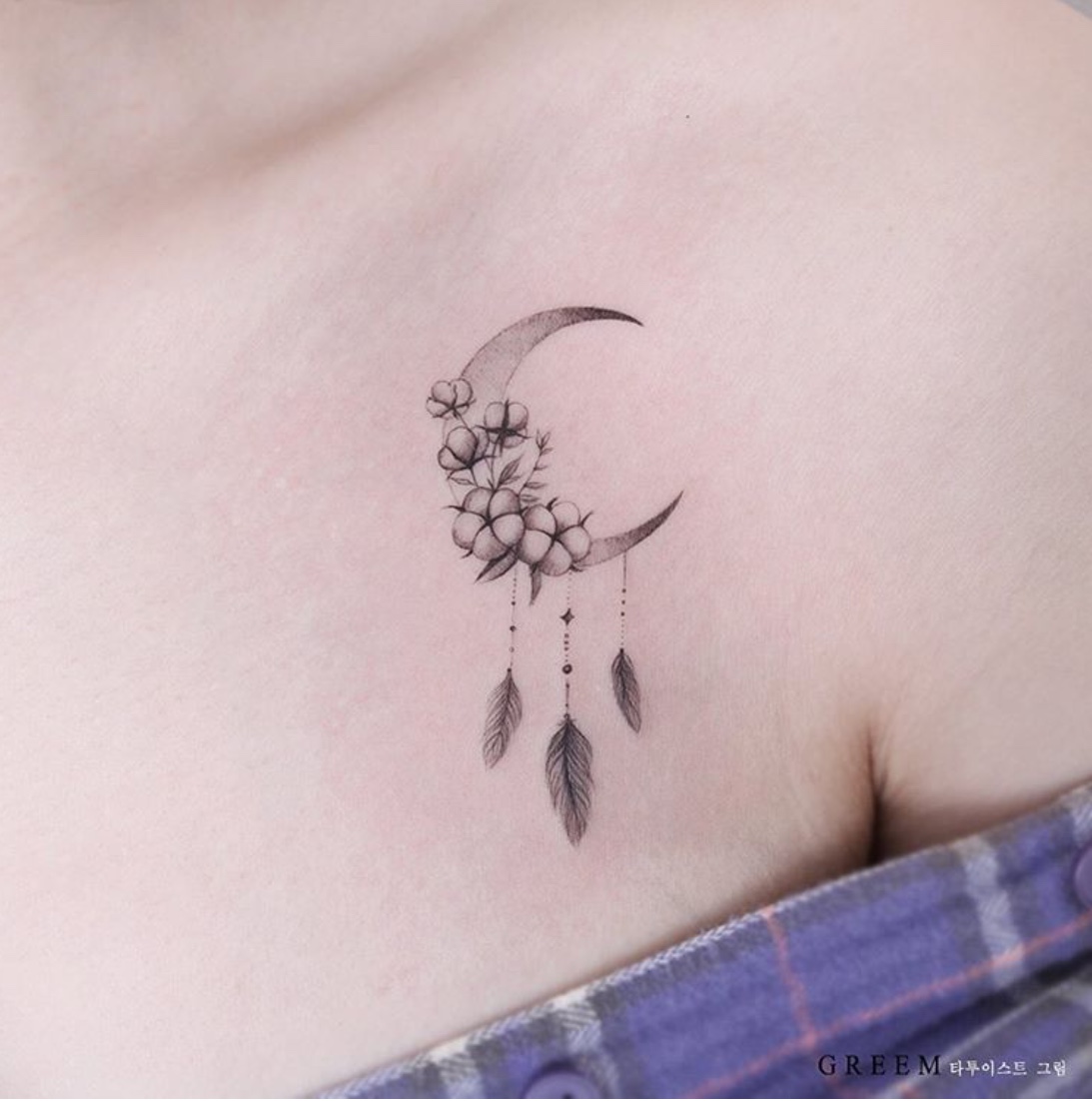
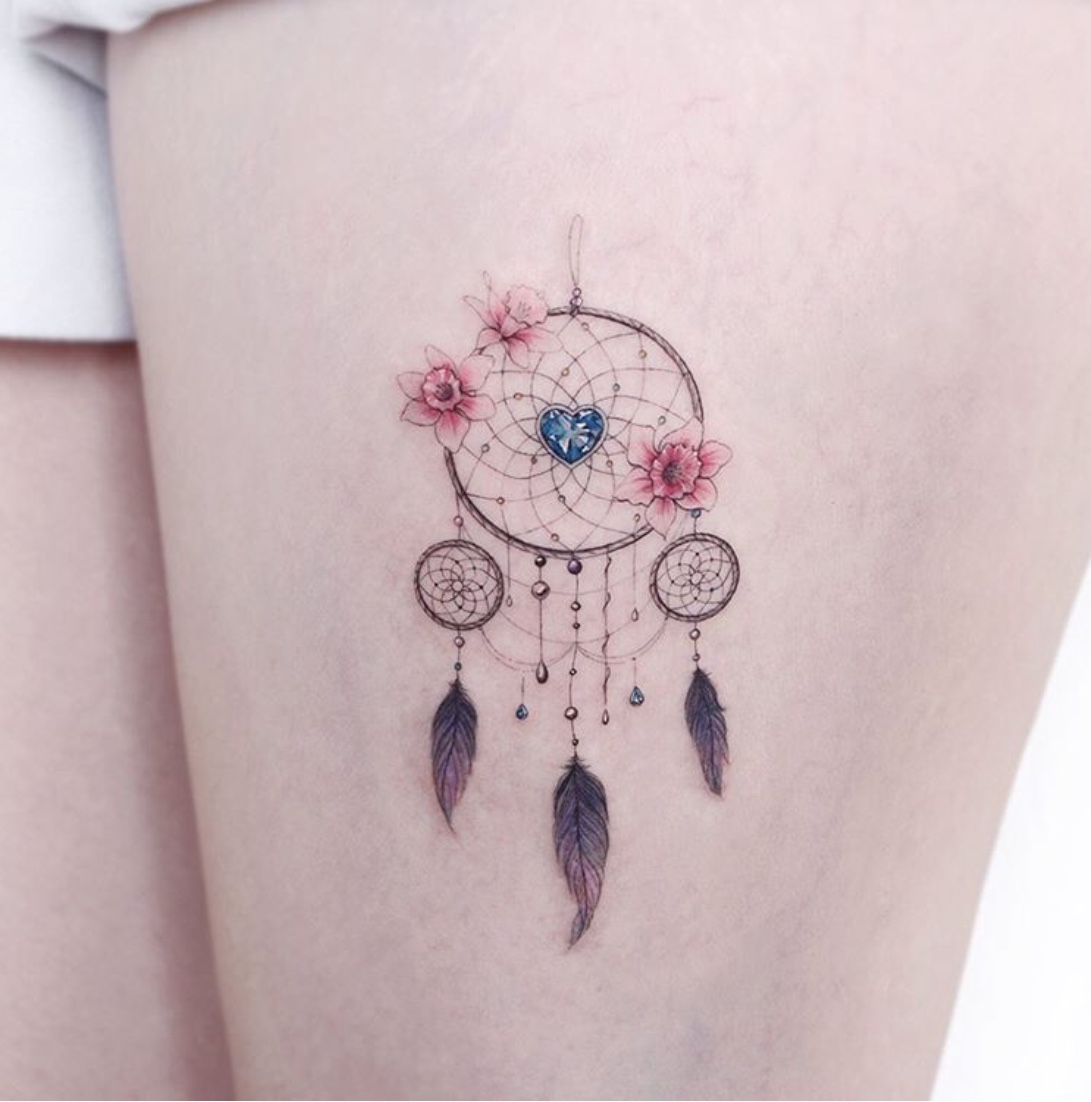
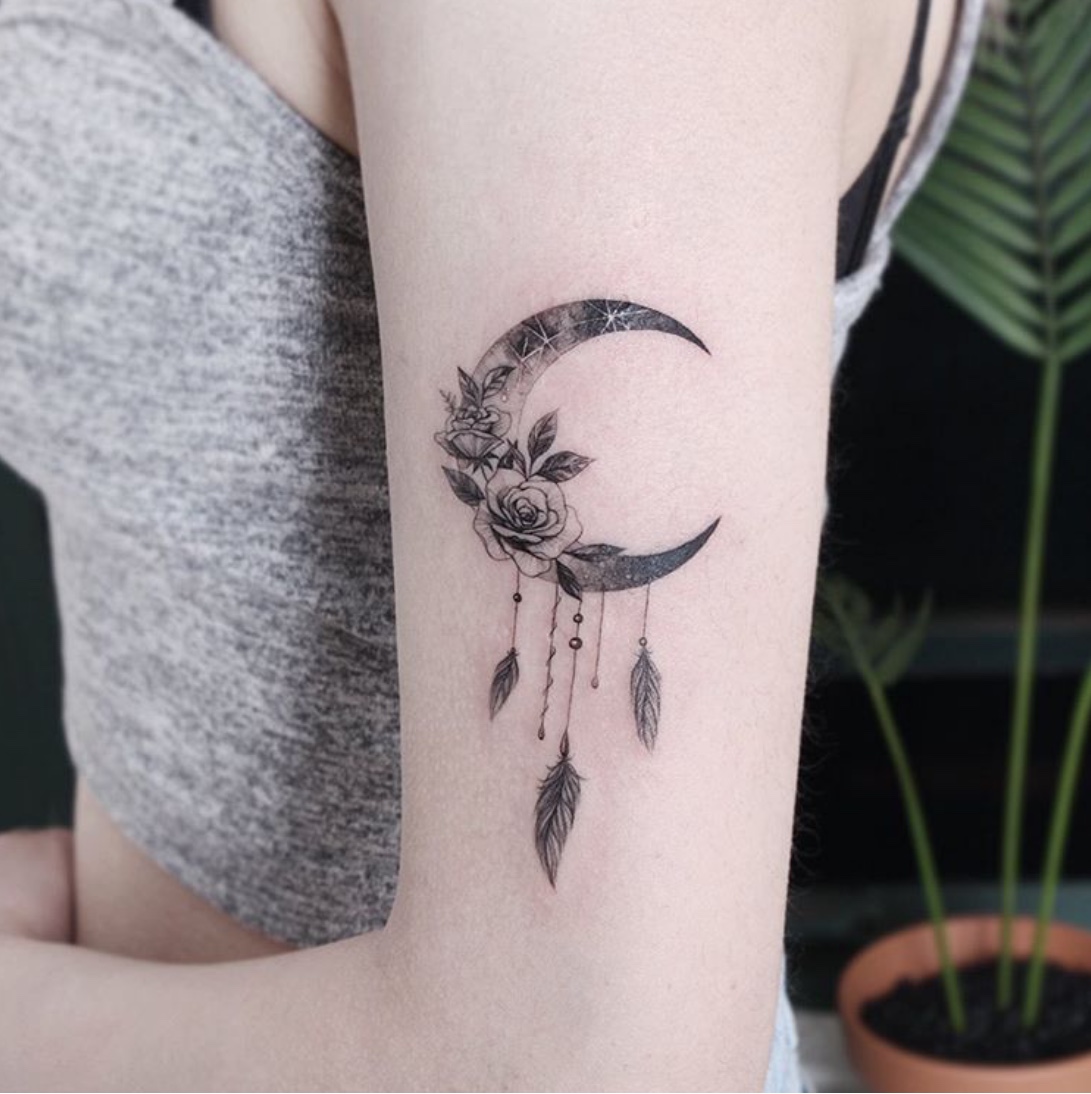
Dreamcatcher tattoos hold a powerful blend of cultural significance, spiritual meaning, and personal expression. They symbolise protection, positivity, and the filtering out of negativity.
Reflecting a deeper desire to live with peace and intention. Whether you choose a traditional design, a modern twist, or a personalised combination of symbols, a dreamcatcher tattoo can serve as a lifelong reminder of strength, clarity, and hope.